What to see in Molise in 5 days

If you’re wondering what to see in Molise in 5 days, you’ll be glad to know that’s plenty of time to connect with a region that’s still authentic—made of timeless villages, unspoiled landscapes, and a culture you can feel around the tables of a local trattoria or along narrow stone alleys. Whether you love nature, history, or good food, here you’ll find a slow, welcoming rhythm full of surprises.


What to See in Molise in 5 Days – Nature Itinerary

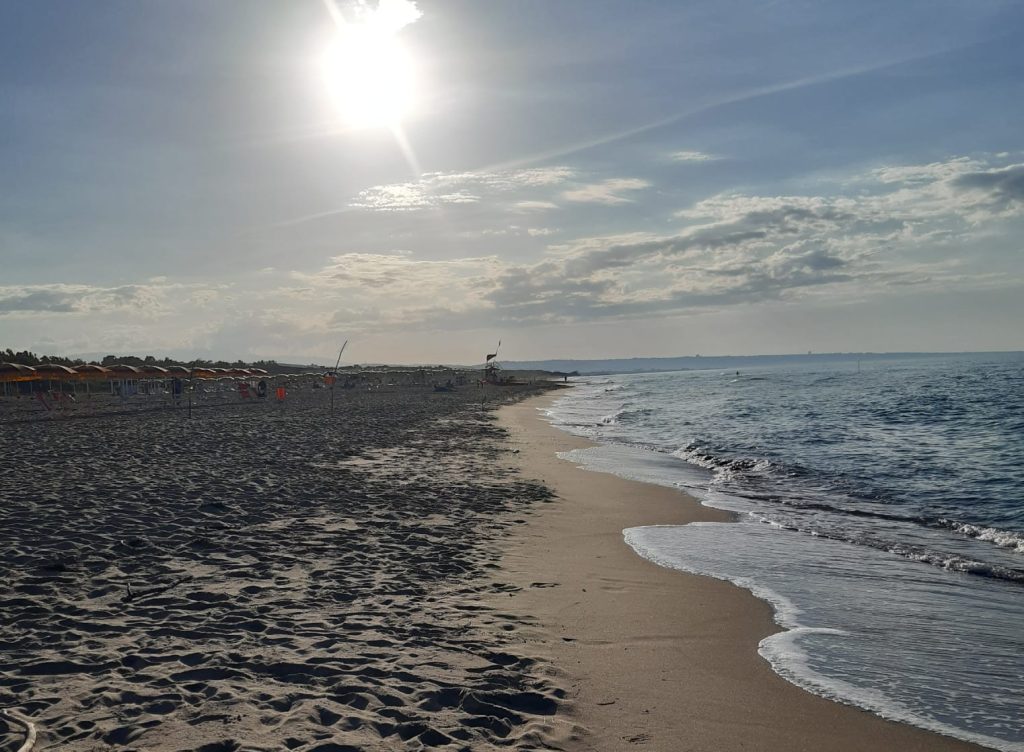
If you're a nature lover, Molise offers wild beaches, nature reserves, forests, waterfalls, and ever-changing scenery. Start at the coast with the sea of Petacciato and the clay gullies of Montenero, and head inland to mountain lakes, the Matese forests, and the Lipu Oasis in Casacalenda. Each stop is an immersion in peaceful, authentic nature.
Discover the full itinerary at molisole.it
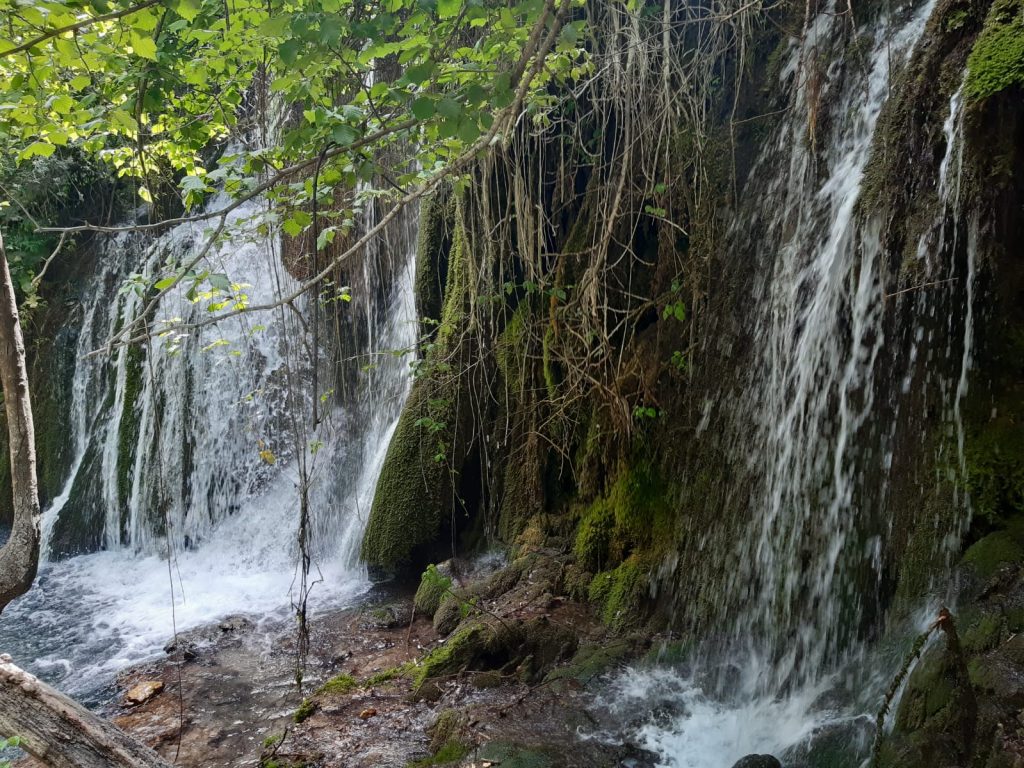
What to see in Molise in 5 days

Historical Itinerary: Castles, Villages, and Ancient Traces

In Molise, history isn’t just in museums. It lives in the places themselves: medieval castles, Romanesque cathedrals, ancient amphitheaters, and cobbled streets that have seen centuries of footsteps. From Termoli to Larino, from Colletorto to Venafro, every village has a story to tell, with Norman, Lombard, and Roman traces.
Discover the full historical itinerary at molisole.it


Cultural Itinerary: Between Art and Spirituality

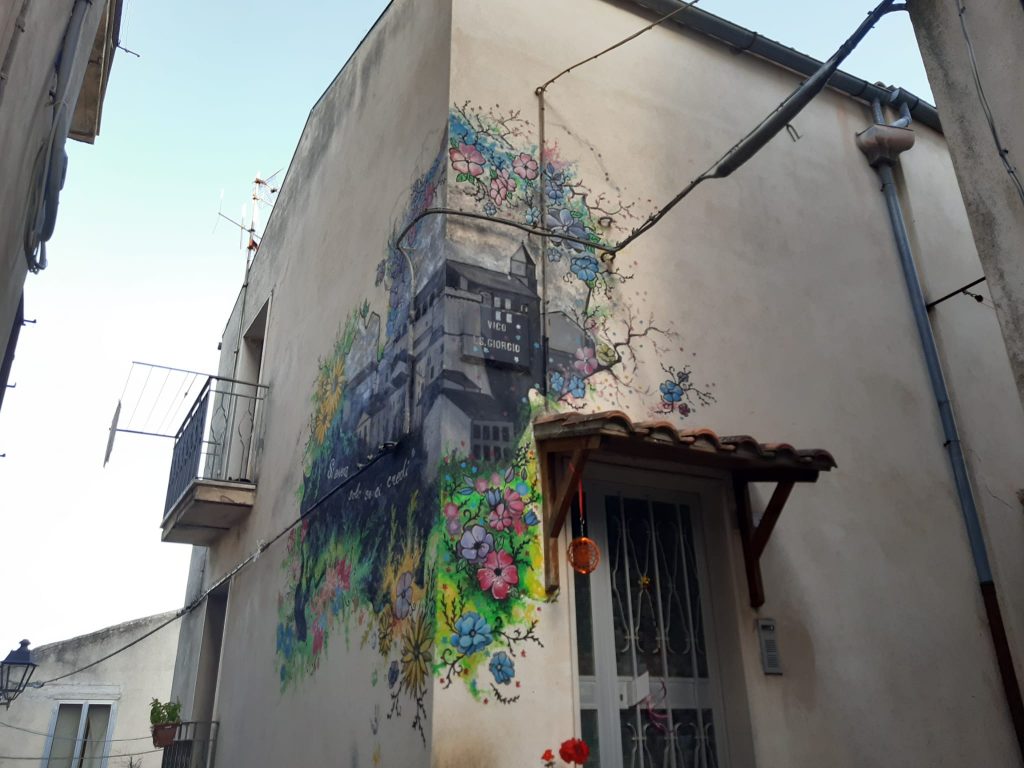
For those seeking a deeper connection with the land, Molise also offers cultural and spiritual routes. From the contemporary murals in Civitacampomarano to the Gothic architecture of the Sanctuary of Castelpetroso, all the way to the historic center of Campobasso, with its museums and noble palaces.
Discover the cultural itinerary at molisole.it


Food & Wine Itinerary: Flavor and Tradition

Eating in Molise is an experience that tells the story of its land and people. From coast to countryside, every area has its specialties: cheeses, cured meats, seafood dishes, heirloom legumes, and rustic recipes. Local trattorias are the best way to discover them—perhaps with a glass of Tintilia or a slice of pampanella.
Discover the food & wine itinerary at molisole.it


What to See in Molise in 5 Days – FAQs

Can I combine nature, culture, and food in one trip?

Yes—and that’s the beauty of Molise! In just a few kilometers, you can go from the sea to the mountains, from a medieval village to a hiking trail, with delicious stops along the way.

Do I need a car to get around?

Yes, a car is the most practical way to move around freely and discover the lesser-known corners. Distances are short, but public transport doesn’t always cover the most interesting areas.

When is the best time to visit Molise?

Every season has its charm. Summer is ideal for the beach and outdoor events, autumn for village life and food, spring for blooming landscapes. Even winter, with snow in the mountain towns, has plenty to offer.
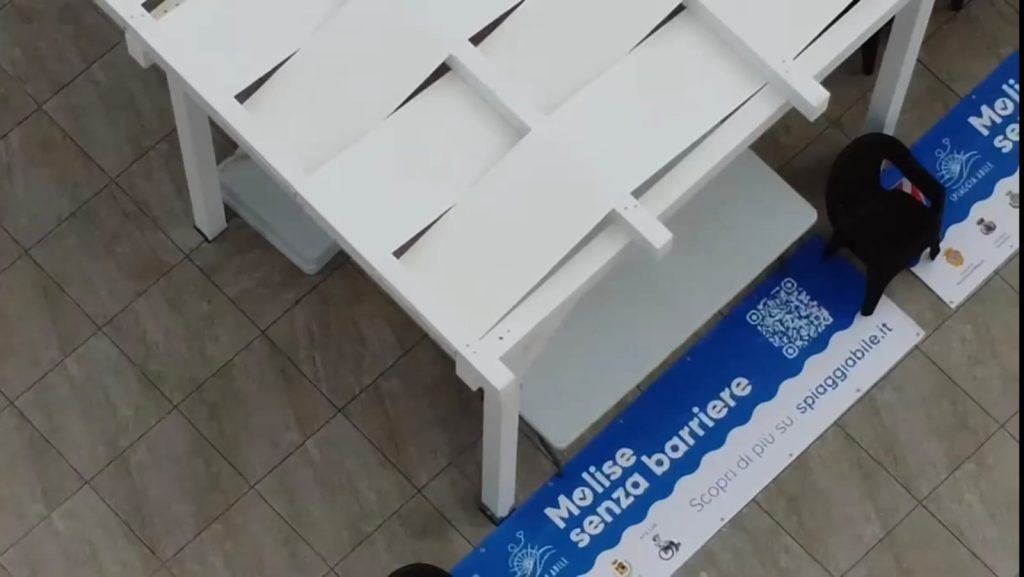
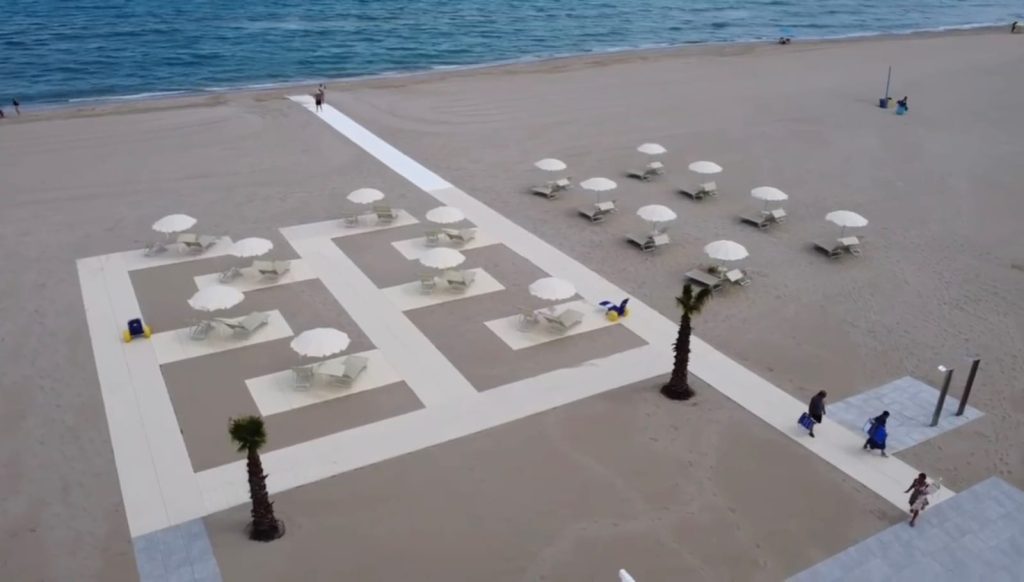
Spiaggia Abile in Petacciato: the sea without barriers

There’s a place along the Molise coastline where the sea truly belongs to everyone, A beach where the sand welcomes without judgment, and where every wave tells a story of inclusion: welcome to Spiaggia Abile in Petacciato, a unique project that combines nature, accessibility, and heartfelt hospitality. In this quiet and authentic corner of Italy, the beach becomes a space of freedom, beauty, and care—for all.

A project born in the heart of Molise

Spiaggia Abile is an initiative promoted by the Molise Region, with support from the Italian Prime Minister’s Office, designed to remove both physical and cultural barriers to seaside access. The project was showcased at the International Tourism Exchange in Milan, where it stood out for its concrete and replicable approach to accessible tourism.

Where to find Spiaggia Abile in Petacciato

The accessible beach area is located on the southern side of Petacciato Marina, just past Lido Calypso, heading toward the peaceful stretch known as Spiaggia Ventotto. Surrounded by pine trees and Mediterranean vegetation, it’s a quiet and natural setting, easily reached by foot, bike, or car, with nearby parking.

Accessible facilities and warm hospitality

Here, accessibility meets comfort. The beach is equipped with wooden walkways, reserved umbrellas, JOB beach chairs for assisted water access, and accessible restrooms and changing areas. But what truly makes the difference is the human touch: trained staff, including Disability Managers, are available to support guests with care, kindness, and professionalism. It’s a welcoming space not only for people with disabilities, but also for families with young children, elderly visitors, and anyone who appreciates a relaxing, inclusive seaside experience.

Spiaggia Abile Petacciato

The sea as a right, not a privilege

More than just a facility, Spiaggia Abile sends a powerful message: the sea belongs to everyone. By ensuring accessibility, the project embraces a broader vision of fair, respectful, and sustainable tourism. With the slogan “A Sea for All”, the Molise Region affirms that inclusion is not just a value—it’s a resource for cultural and economic growth.

A meaningful kind of vacation

Petacciato has long been a favorite for travelers in search of nature, slow rhythms, and a more genuine kind of coastal holiday. With Spiaggia Abile, this beloved destination now offers something more—a deeper human value. Choosing this beach means embracing a travel experience rooted in empathy, connection, and care for one another.


Spiaggia Abile Petacciato

Spiaggia Abile in Petacciato - FAQ

Where exactly is Spiaggia Abile located in Petacciato?

It’s on the southern side of Petacciato Marina, just beyond Lido Calypso, toward Spiaggia Ventotto. The area is peaceful, natural, and easily accessible.

What services are available at the beach?

You’ll find walkways, JOB chairs for water access, accessible bathrooms and changing rooms, reserved umbrellas, and trained staff ready to assist all visitors.

Who is the beach designed for?

Everyone. While especially designed for people with disabilities, the beach also welcomes families, seniors, and travelers looking for a comfortable, nature-based seaside experience.

Campomarino Lido: beaches, nature and relaxation in Molise

Campomarino Lido is one of the gems of the Molise Coast. Sandy beaches overlooking crystal-clear waters, surrounded by protected dunes and lush pine forests stretching to the mouth of the Biferno River—Campomarino Lido is one of the jewels of the Molise coastline. It’s an ideal destination for families, couples, or slow travelers seeking beauty, peace, and a connection with nature.


Blue Flag and Stress-Free Comfort
Stretching along about 6 km of coastline, the lido has been awarded the Blue Flag several times for the quality of its waters, cleanliness, and services. There are equipped beach resorts with sunbeds, umbrellas, beach bars, and seaside restaurants, as well as free beach areas and pet-friendly zones. The shallow, sandy seabed makes it perfect for children.


Campomarino Lido - A Sea Turtle on Holiday
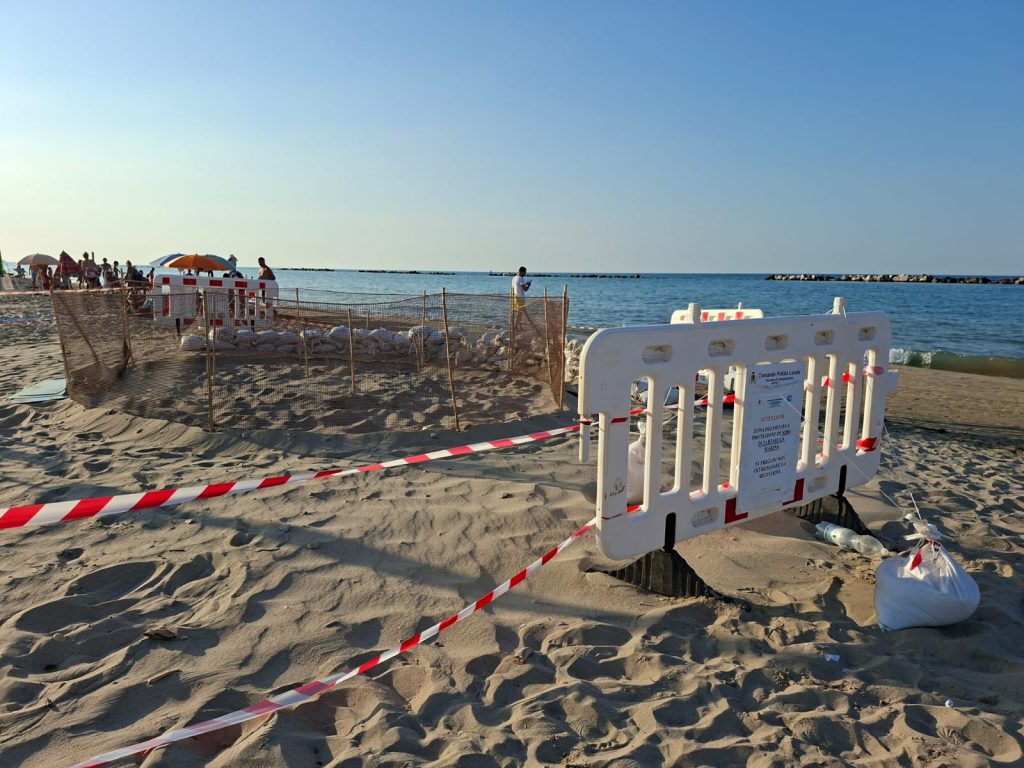
In the summer of 2025, a sea turtle laid its eggs on a stretch of free beach, right between two beach resorts. This rare and precious event thrilled both locals and tourists, bearing witness to the balance still possible between natural environments and human presence. The area was immediately protected with the help of experts and volunteers, strengthening the bond between the land and its delicate ecosystem.

Campomarino Lido

Campomarino Lido - Walks and Views Between Pine Forest and Sea

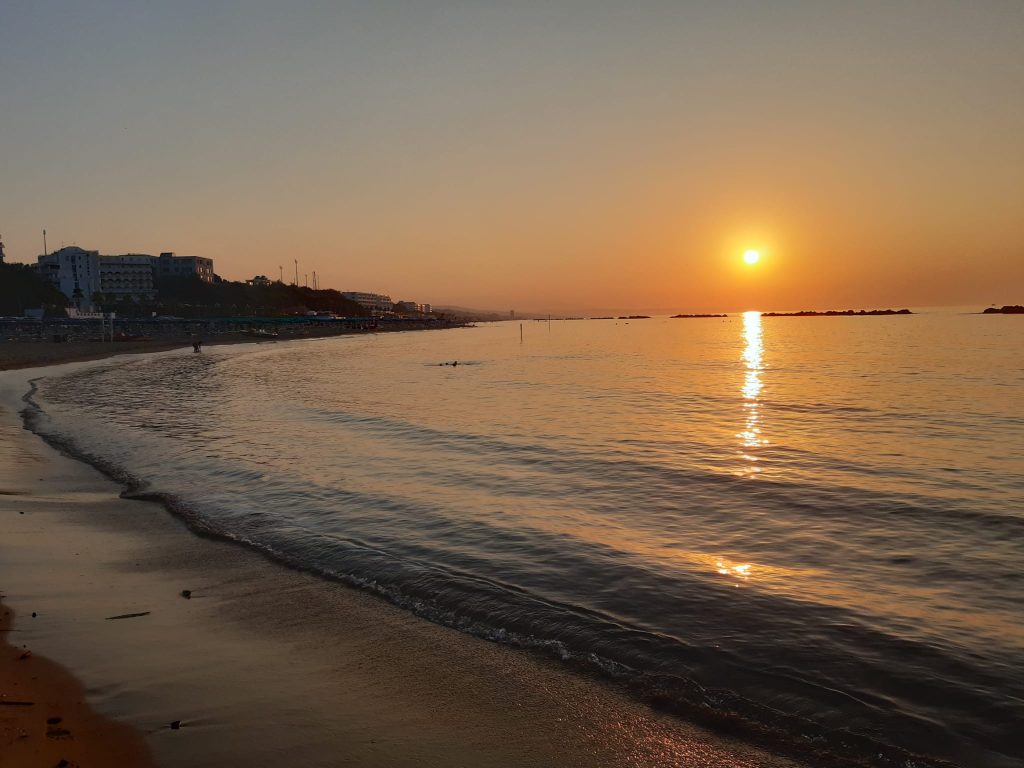
Behind the beach lies a lush pine forest, ideal for relaxing walks in the shade. The tree-lined seafront promenade is perfect for strolling or cycling with a sea view. At sunset, the entire area glows with golden light, offering postcard-perfect scenes for a drink or a photo.


A Village to Discover
Just a few minutes from the beach is the hilltop village of Campomarino, rich in history and traditions. Here you can visit ancient churches, taste traditional Molise cuisine, and stroll through quiet alleys overlooking the coast. Don’t miss the Tratturo Magno area, a witness to the ancient tradition of transhumance.

Campomarino Lido

How to Get There
Campomarino Lido is just a few kilometers from Termoli and can be easily reached by car via the A14 motorway (Termoli exit), or by train, as it’s served by a station on the Adriatic line. The nearest airport is in Pescara, just over an hour away.


Why Choose Molisole as Your Base
If you want to enjoy the best of the Molise coast in peace, Molisole’s accommodations—set in the green countryside between Petacciato and Montenero di Bisaccia—are the perfect choice. Cozy, authentic, and just minutes from Campomarino, they offer a relaxing retreat far from mass tourism.


Campomarino Lido - FAQ

Are Campomarino Lido’s beaches suitable for children?

Yes, the beaches have shallow, sandy waters, perfect for children to play safely. Many resorts also offer services tailored to families.

Can I bring my dog to the beach?

Yes, there are pet-friendly beach areas in Campomarino Lido where animals are welcome, especially in less crowded areas or in certain equipped resorts.

What is the best time to visit Campomarino Lido?

The best months are from June to September, when the weather is warm but breezy—ideal for enjoying the sea, pine forests, and outdoor life.

Swabian Castle of Termoli: the city’s symbol of history, scenic views, and the Sea museum

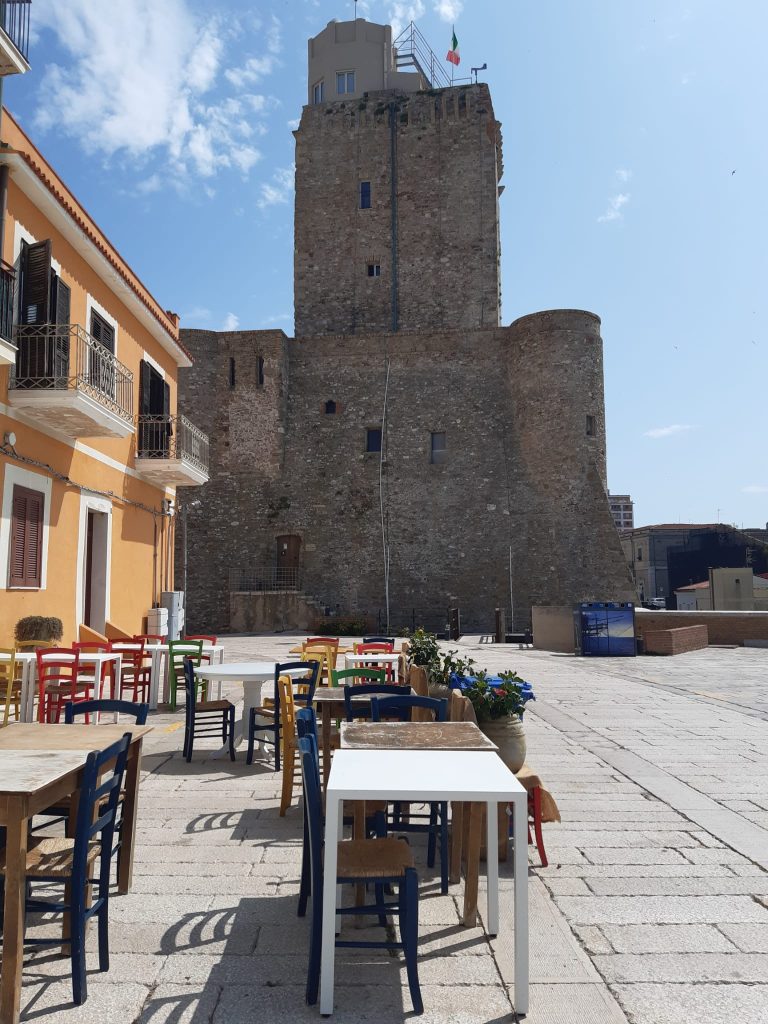
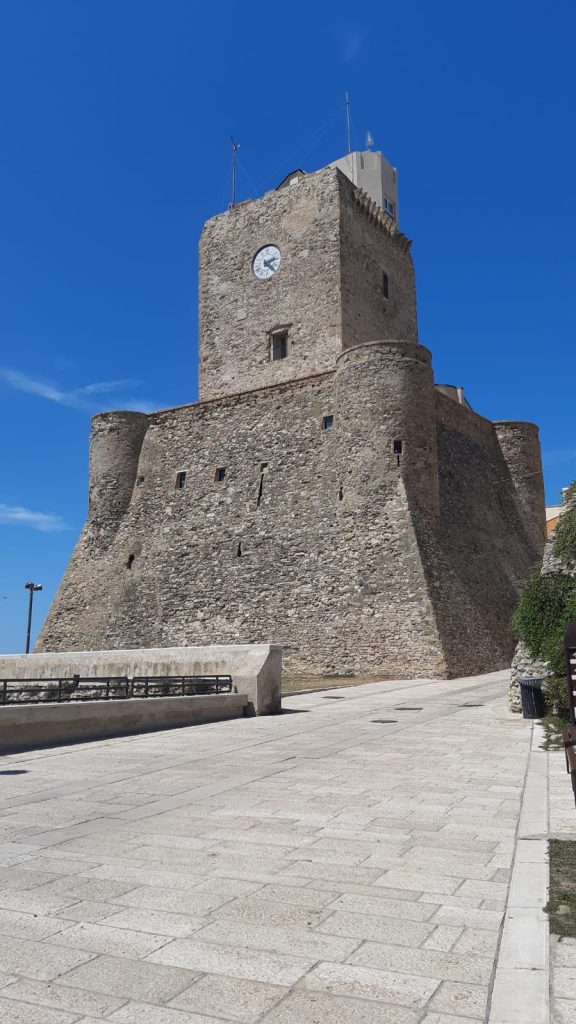
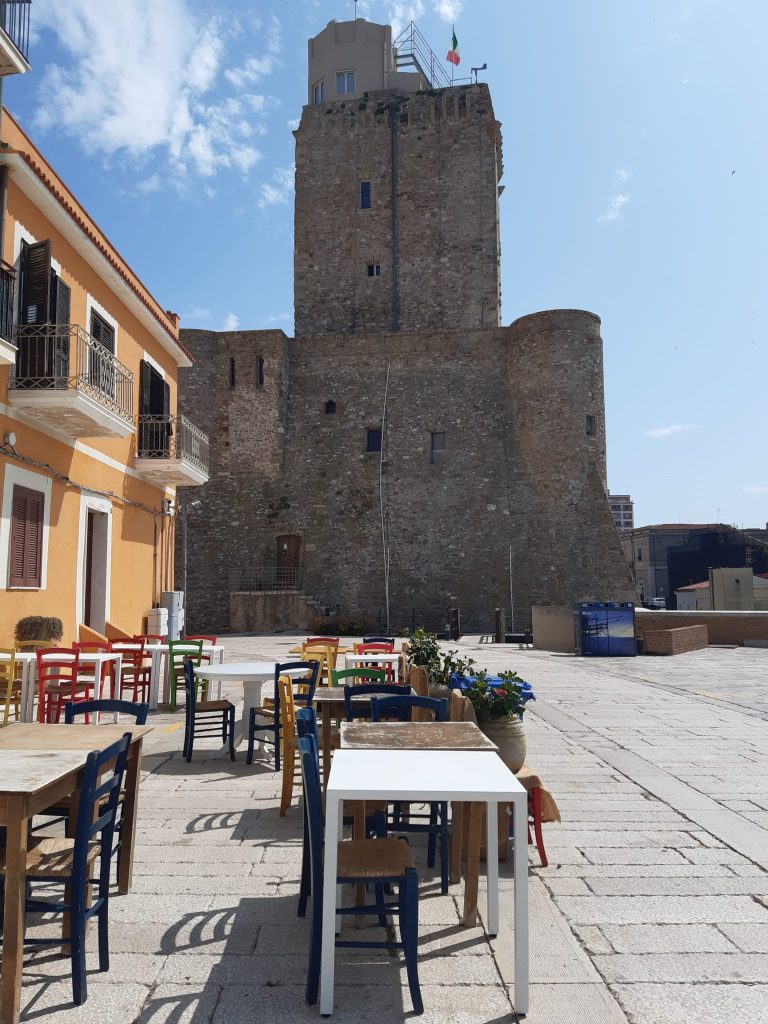
Unmistakable, elegant, and quietly majestic, the Swabian Castle of Termoli is the most iconic monument of the city. It's a true symbol of identity for locals, who have watched it rise from the promontory overlooking the Adriatic Sea for centuries. Its squared and austere silhouette can be spotted from afar along the coast, dominating the urban landscape and marking the entrance to the historic town center.

Built in the 13th century from limestone and sandstone, the Swabian Castle of Termoli was designed to defend the city from both sea and land attacks. Surrounded by solid walls with cylindrical towers, it still preserves the original entrance to the Old Town.

Originally a Lombard fortress, the castle was reinforced and expanded in 1240 under Frederick II of Swabia, who wanted it to serve as a defensive bastion against sea invasions. It is to this great emperor that the castle owes its current name, though the keep’s foundation and certain masonry techniques clearly reveal Norman origins.

Damaged by the 1456 earthquake, it was rebuilt at the request of Ferdinand I of Aragon, maintaining its role as both a defensive structure and a historical emblem of the city.

Castello Svevo di Termoli

A Fortress Between the Sea and the Village

The Swabian Castle stands within the walls of Termoli’s Old Town, serving as its symbolic and physical gateway. The entrance is located on the side facing the historical center, on Via Federico II di Svevia, just a few meters before the archway that leads into the village. Its location is extraordinary: on one side, it offers a breathtaking view of the sea, while directly in front lies the Photographers' Overlook. It's a panoramic lawn looking out over Lungomare Cristoforo Colombo and the long Sant’Antonio beach.

The Swabian Castle of Termoli - What to See Inside


Inside, the castle retains its original square layout, featuring a central tower and side rooms once used for military purposes. Over the centuries, it has served as a prison, temporary residence, watchtower, weather station, and now a cultural venue. It hosts temporary exhibitions of painting and photography and is often included in guided city tours.

Part of the castle is still used by the Italian Air Force, but the accessible areas allow visitors to experience layers of history through thick walls, walkways, and windows overlooking the village and open sea.

MuMa – Sea Museum of Termoli

Since 2024, the castle’s lower floor houses the MuMa – Sea Museum of Termoli, a small yet captivating multimedia space that tells the story of the city’s maritime culture.

This modern and immersive exhibit features audiovisual installations, traditional artifacts, and stories from local fishermen’s daily life—from boats and fishing techniques to religious rituals and marine legends. A whole section is dedicated to San Basso, Termoli’s patron saint, and the famous sea procession held annually on August 3 and 4.

A Castle to Experience, Not Just Visit

The Swabian Castle is also the stage for popular local events, most notably the "Burning of the Castle", held every August 15. This dramatic pyrotechnic display “sets the fortress on fire” during the Feast of the Assumption, drawing crowds from across the region. It’s a magical moment of music, celebration, and community spirit.

Where to Stay to Enjoy Termoli and Beyond

To explore the Swabian Castle and the charms of the Old Town while enjoying peace and nature, the Molisole accommodations are the perfect choice. Located between Petacciato and Montenero di Bisaccia, they offer authentic hospitality and unspoiled surroundings—just minutes from Termoli but far from the noise. Ideal for travelers wanting to explore Molise at a slower pace, and return each evening to a quiet, comfortable, and genuine setting.

Castello Svevo di Termoli

Swabian Castle of Termoli – FAQ

What is the history and origin of the Swabian Castle of Termoli?
The Swabian Castle was built in the 13th century, with a base reflecting Norman origins. It was reinforced in 1240 by Frederick II of Swabia, who gave it its current name. Originally a Lombard fortress, it served to defend the city from both sea and land threats. After being damaged by an earthquake in 1456, it was rebuilt by Ferdinand I of Aragon and has remained a symbolic and defensive structure ever since.

What can you visit inside the Swabian Castle?
The interior features the original square plan with a central tower and side rooms, once used for military purposes. It has served various roles through the centuries and today hosts art exhibitions, photography displays, and the MuMa – Sea Museum, opened in 2024, which offers a multimedia journey into Termoli’s maritime traditions.

Where is the Swabian Castle located, and what can you see nearby?
The castle is located at the entrance of Termoli’s Old Town, with the main entrance on Via Federico II di Svevia. Opposite the castle is the Photographers' Overlook, offering panoramic views of Lungomare Cristoforo Colombo and Sant’Antonio beach. In the summer, the castle becomes the backdrop for the beloved “Burning of the Castle” pyrotechnic show during the Feast of the Assumption.

Calanchi of Montenero di Bisaccia: a lunard landscape in the hidden heart of Molise

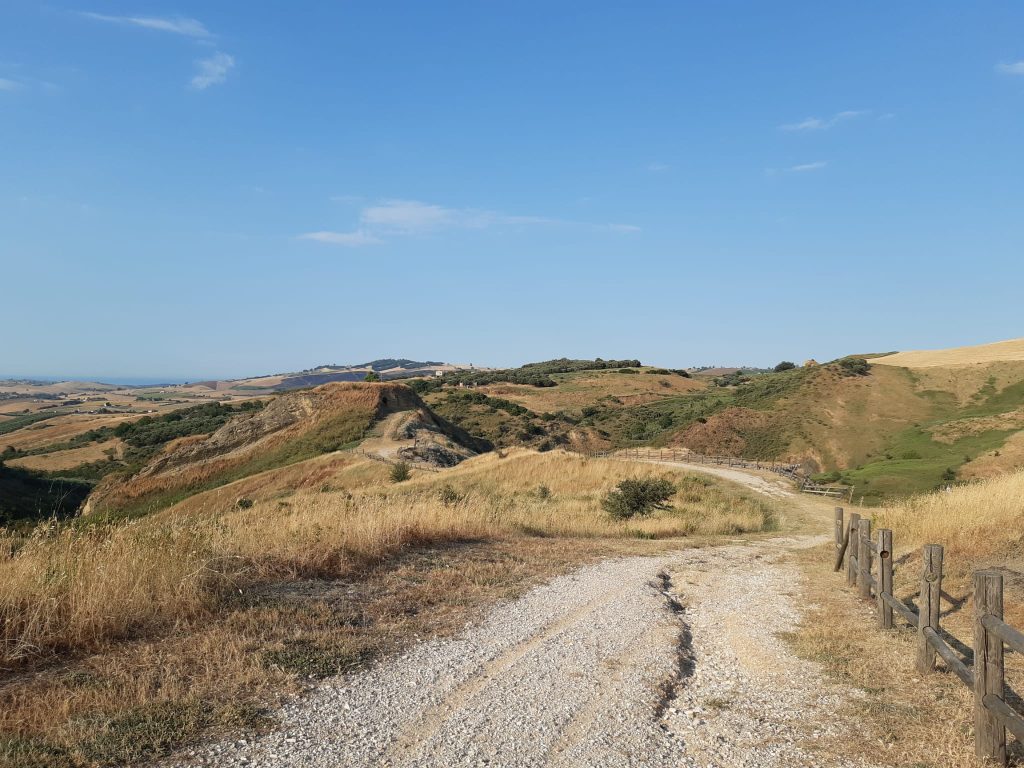
The Calanchi of Montenero are one of Molise’s most surprising and least-known wonders. Just a few minutes from the historic center of Montenero di Bisaccia, the landscape opens into a world shaped by time: clay hills carved by wind and rain, forming ridges, ravines, and gullies. The result is an almost lunar setting, perfect for those seeking authenticity, nature, and silence.

A paradise for slow travelers

The calanchi stretch along the ancient Tratturo Centurelle-Montesecco, a pastoral route rich in history and tradition. These trails, ideal for walkers and families alike, pass through panoramic ridgelines and ancient natural caves.

The most scenic route begins at the Sanctuary of the Madonna di Bisaccia and crosses the Calanchi Park, a Site of Community Importance that protects rare landscapes, local wildlife, and fragile flora. Here, nature reveals itself in both strength and subtlety, through shifting colors, deep silence, and breathtaking views.

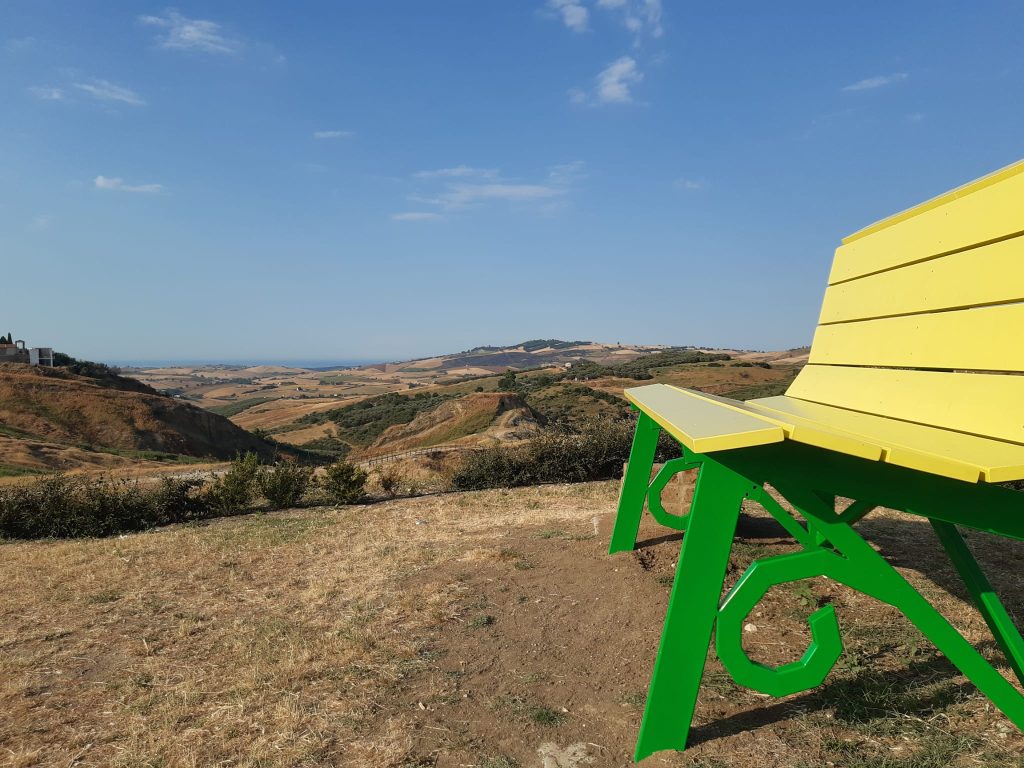
Big Bench Montenero

A giant bench to feel small again

Since September 2024, the trail linking the sanctuary to the park includes a new stop: the Big Bench Scipione 369, a colorful giant bench created thanks to the Big Bench Community Project Foundation.

Placed in a spectacular panoramic spot, the oversized bench offers an enchanting view over the rolling hills and the sea in the distance. Sitting here is an invitation to slow down, be amazed, and — why not — feel like a child again. It’s the kind of experience made for sharing, whether as a couple or a family, and perfect for that unforgettable photo that stays in the heart.

Calanchi of Montenero - Among caves, fossils, and legends

Beyond the landscape, this area is steeped in stories and wonder. Natural caves preserve traces of prehistory and marine fossils, silent witnesses to a time when these hills lay beneath the sea. One of the symbolic places is the Grotta della Madonna, an ancient site of worship that still plays a central role in traditional events like the Living Nativity.

Along the Tratturo itself, deep in the greenery, lies Fonte Cassù, an old spring. Local tradition claims that Hannibal, the legendary Carthaginian general, once stopped here to rest and water his troops during the march toward Rome. A legendary detail that adds yet more allure to an already extraordinary landscape.

Calanchi Montenero

Ideal for couples and families

Whether you're looking for a romantic escape in nature or a day of discovery with children, the calanchi offer the perfect setting. The paths are gentle, scenic, and full of cultural hints. The presence of the Big Bench adds a poetic and playful note that makes the visit unforgettable for all ages.

Calanchi of Montenero - Planning your visit

The calanchi can be explored all year round. Spring and autumn offer the most magical light and colors, though summer — while warmer and more popular — can also be ideal, especially in the coolness of morning or late afternoon. Bring light trekking shoes, water, a hat, and a camera. A pair of binoculars can add an extra touch of wonder. The best place to start is from the Sanctuary of the Madonna di Bisaccia, where you’ll also find parking.

An authentic experience in the true Molise

Visiting the calanchi of Montenero is an experience that blends nature, history, and emotion. It’s an invitation to slow down, to lose yourself in silence, to look at the landscape with fresh eyes. And now, to sit on a giant bench and admire it all from a new perspective.

Calanchi of Montenero - FAQ

What are the calanchi?

Calanchi are geological formations shaped by the erosion of clay by water and wind. They appear as sharp ridges, deep gullies, and pale undulating landscapes. Those of Montenero di Bisaccia offer a spectacular, almost lunar panorama — truly one of a kind in Molise.

Where are the calanchi of Montenero di Bisaccia located?

They are found in the countryside of Montenero di Bisaccia, along the path of the ancient Tratturo Centurelle-Montesecco. The most panoramic route begins at the Sanctuary of the Madonna di Bisaccia and leads directly into the heart of the Calanchi Park.

What can you see from the Big Bench near the calanchi?

Since September 2024, the Big Bench Scipione 369 has been installed along the calanchi trail. From here, you’ll enjoy a sweeping view of the hills and the distant sea. It’s the perfect place for a scenic pause — and for a truly special memory to take home.

Holidays in Molise: the perfect time to slow down

Who chooses to spend their holidays in Molise often does so on a whim, out of curiosity, or from a desire for a quieter, more authentic Italy. And those who arrive here discover a region that knows how to surprise—with its silences, its unspoiled landscapes, and a millennia-old culture that emerges in the details: a carved stone, a Romanesque façade, a humble traditional dish.

Molise is the ideal destination for those seeking a genuine break. No crowds, no mass tourism. Just time to look around and feel part of a land that still feels human.

Nature that restores
If you love nature, Molise offers silent forests, hidden waterfalls, mountain lakes, and trails that seem to exist outside of time. Places like Lake Castel San Vincenzo, the Carpinone waterfalls, the Park of the Morge, or the Punta Aderci reserve (just steps from the Molise coast) reveal an intimate and never ordinary landscape, where every curve in the road holds a discovery.

The sea, too, plays a special role: from the free beach of Petacciato Marina, with its natural dunes and coastal pine forest, to the village of Termoli, where the historic center overlooks the Adriatic with its Swabian Castle and walls descending toward the harbor. In just a few kilometers, you move from the silence of the hills to the vast horizon of the sea.

vacanze in Molise

Villages and archaeology: a dive into history

Molise is a land to be explored slowly. Villages like Larino, with its Romanesque-Gothic cathedral and Roman archaeological park, or Agnone, with its stone-paved alleys and bells still cast by hand, tell deep stories carved into the memory of stone.

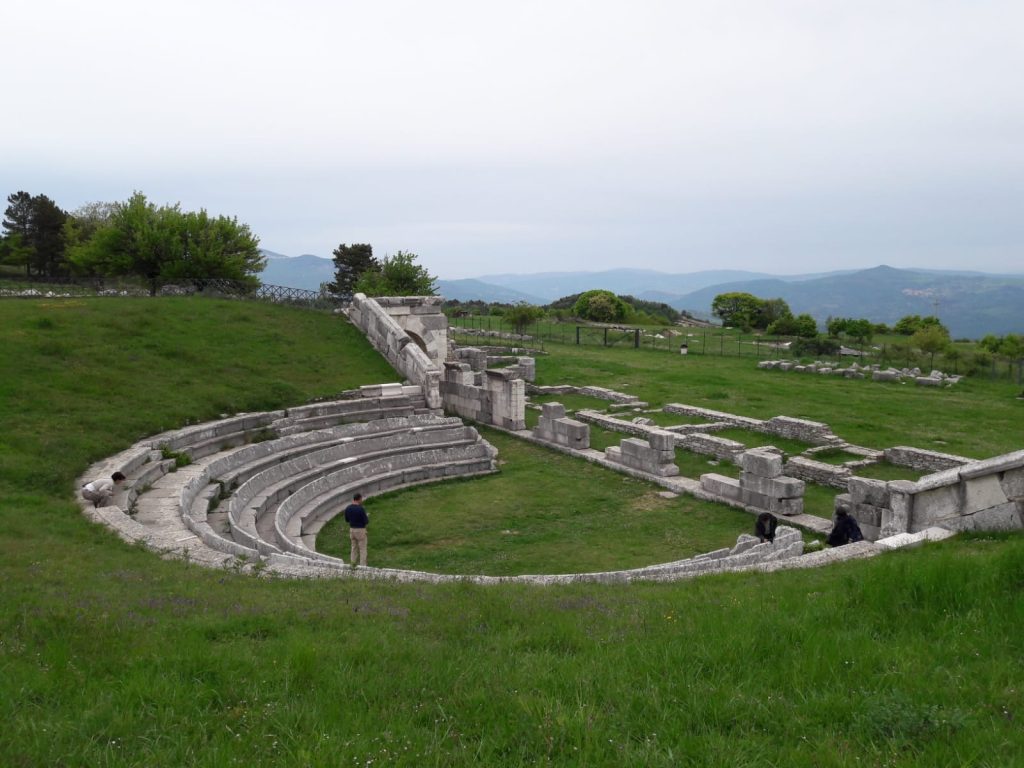
Then there's the Samnite heritage, visible in fascinating places like the theatre-temple of Pietrabbondante or the ruins of Sepino. Archaeological sites immersed in nature, far from the crowds, where it's easy to imagine life as it once was.

vacanze in Molise

Authentic flavors on holidays in Molise

Those who choose Molise do so also for its authentic cuisine, made of simple ingredients and bold flavors. From spicy ventricina to podolica cheeses, from coastal fish dishes like Termoli-style fish soup to rustic inland specialties like pallotte cacio e uova or arrosticini, every meal is a little journey into taste.

And for food lovers, there are dedicated itineraries focused on local wines, extra virgin olive oil, Molise truffles, and traditional sweets, all to be discovered in villages where time moves at a different pace.

Culture between past and present

Molise is a land that resists, but also knows how to surprise. At the Angevin Castle in Civitacampomarano, the murals of the CVTà Street Fest enter into dialogue with ancient art. In Campobasso, museums and hidden corners intertwine with a present that still feels human in scale. Here, culture is discreet, never loud — and perhaps that’s why it leaves a lasting mark.

vacanze in Molise

Molisole: the perfect starting point for your holiday in Molise

To experience all this, Molisole is the ideal place to begin. Nestled between the sea and the hills, with views of the Adriatic and surrounded by peaceful countryside, Molisole offers a warm, authentic, and family-style welcome. From here, you can reach Petacciato’s natural beach in just a few minutes, explore the inland villages, or set off on a day trip to some of Molise’s most iconic sites.

Choosing a holiday in Molise means giving yourself the gift of time — time to slow down, to listen, to discover. It’s a journey made of small things, but deeply memorable.

Why choose Molise for your holiday?

Molise is an authentic land, perfect for those seeking a break from the daily chaos. Holidays in Molise offer untouched nature, ancient villages, and genuine cuisine, far from mass tourism.

What is the best time to visit Molise?

The ideal seasons are spring and summer, from May to September, but autumn is also charming for its colors and flavors. Any time of the year is good to enjoy a relaxing and refreshing holiday in Molise.

Where to stay during your holiday in Molise?

To fully experience the authentic spirit of the area, the ideal place to stay is Molisole: a property surrounded by greenery, just minutes from the sea, combining comfort, tranquility, and sincere hospitality. It’s the perfect base for your holiday in Molise, surrounded by nature, villages, and relaxation.

What to eat in Molise? A feast of flavors, simplicity, and tradition

What to Eat in Molise? A Feast of Flavors, Simplicity, and Tradition

Wondering what to eat in Molise? If you’re after real, simple flavors deeply tied to the land, the answer is: a lot—and it’s all delicious. In this often-overlooked region, food isn’t just something to eat. It’s a way of telling stories—of the land, of the people, and of a rural heritage that still lives on today.

You could say Molise is best discovered at the dinner table. If you’re into slow travel, authentic experiences, and great food, this is your kind of place. Staying somewhere peaceful like Petacciato or Montenero di Bisaccia, especially at one of Molisole’s charming accommodations, puts you right where the region’s tastiest traditions are just a short drive away.


Molise Cuisine: From the Sea to the Mountains

Molise’s food is a mix of coastal and inland traditions. On the coast, seafood takes center stage—don’t miss the fish soup from Termoli, a rich and fragrant dish made with local extra virgin olive oil and served with crispy toasted bread.

As you move inland, the flavors get bolder. Think: handmade pasta, artisan-cured meats, aged cheeses, pickled vegetables, and wood-fired bread. It’s comfort food, the Italian way.


What To Eat in Molise? Local Specialties You Have to Try

One of the region’s true stars is ventricina, a bold, spicy cured meat made from pork and sweet or hot pepper, hand-cut and aged slowly. Up in the mountain villages of Agnone and Capracotta, for instance, you’ll find caciocavallo podolico, a rich, firm cheese that’s pretty much royalty in these parts. Moreover, if you get the chance, definitely taste some fresh stracciata—still made by hand, just like it’s always been.

But that’s not all. Molise is also truffle country. Both black and white truffles grow in the forests of Alto Molise, and they’re used in the simplest ways—to bring out the flavor in fresh pasta, risotto, or eggs. In fact, it’s all about high-quality ingredients and the earthy aroma of the land. Another local gem worth mentioning? The Montagano tomato, loved for its sweet, natural flavor.

Over in San Martino in Pensilis, be sure to try pampanella—a mouthwatering pork dish spiced up and oven-baked to perfection. And for those interested in traditional peasant recipes, you’ve got to try pizza e minestra, a humble but beloved dish from Campobasso made with cornmeal and foraged greens. Originally created out of necessity, it remains popular today for its simple, honest flavor.


And What About Drinks?

No proper Molise meal is complete without a glass of wine. Locals love Montepulciano and Trebbiano, but the real local pride is Tintilia del Molise—a bold native red that pairs perfectly with meats and cured products. And don’t forget the EVOO (extra virgin olive oil), especially from Larino, Colletorto, and San Martino—delicate, fragrant, and made using traditional artisan methods.


Don’t Stop at the Regional Border

If you’re staying with Molisole, you’re also close enough to explore the culinary riches of nearby Abruzzo. On the coast near Vasto, the seafood is amazing—especially the famous brodetto alla vastese, a local fish stew that’s simple and delicious. Prefer land-based food? Try pallotte cacio e uova, veggie-friendly cheese-and-egg balls made with stale bread, or the must-try arrosticini, skewers of grilled lamb that are an Abruzzo favorite.


What To Eat in Molise? Can’t-Miss Food Festivals

One of the best ways to taste Molise is by joining one of its many food festivals—a true celebration of local flavors, music, and community. For example, in Termoli, the famous Fish Festival wraps up the summer season with fresh seafood and laid-back seaside vibes. Meanwhile, Petacciato throws its own summer party with a Fusilli and Scrippelle Festival, proudly showcasing classic homemade pasta dishes.

In addition, San Martino in Pensilis hosts the legendary Pampanella Festival, where the spicy pork dish finally gets all the love it deserves. Likewise, over in Jelsi, the Wheat Festival combines stunning hand-decorated traglie (traditional carts) with delicious dishes made from local grains and legumes.

Furthermore, Riccia celebrates its passion for good wine during the lively Wine Festival, honoring Bacchus in true Molisan style. Then, in Montaquila, there’s even a Frittata Festival featuring a giant frittata made with over a thousand eggs—in other words, a true feat of communal cooking! Finally, up in Capracotta, the Pezzata Festival pays tribute to a traditional mountain lamb stew, boiled with herbs in massive cauldrons.

All things considered, every event offers a unique window into the soul (and the kitchen) of this incredible region.


A Foodie Itinerary in Molise (Ready When You Are)

If you want to take it all in—slowly and deliciously—follow this 7-day food itinerary through Molise and beyond: from meats and cheeses to fresh produce, wines, and truffles, it’s a journey made for food lovers. [Check out the full itinerary →]

Molise’s cuisine is something to savor slowly, just like its landscapes. It’s made of hands that knead dough, recipes passed down through generations, village festivals, the smell of wood-fired ovens, and pots simmering on the stove. It’s the taste of truth, of memory, of nature.

If you’re planning to explore Molise off the beaten path, staying with Molisole gives you the perfect home base to discover it all—what to eat, where to go, and everything in between, one bite at a time.

What to see in Termoli: sea, history and authentic traditions

What to see in Termoli if you're planning a slow and authentic vacation along the Adriatic coast? This charming fishing village in Molise, perched above the sea and protected by ancient walls, is a perfect blend of Mediterranean beauty, rich culture, and genuine flavors.

In this article, we’ll explore what to see in Termoli—from must-visit landmarks and hidden gems to authentic experiences and vibrant local events. And if you’re drawn to tranquility, nature, and sustainable tourism, you’ll be glad to know you can enjoy it all while staying just minutes away at Molisole accommodations—a peaceful retreat nestled between rolling hills, the sea, and timeless villages.


The Old Town: a journey through time

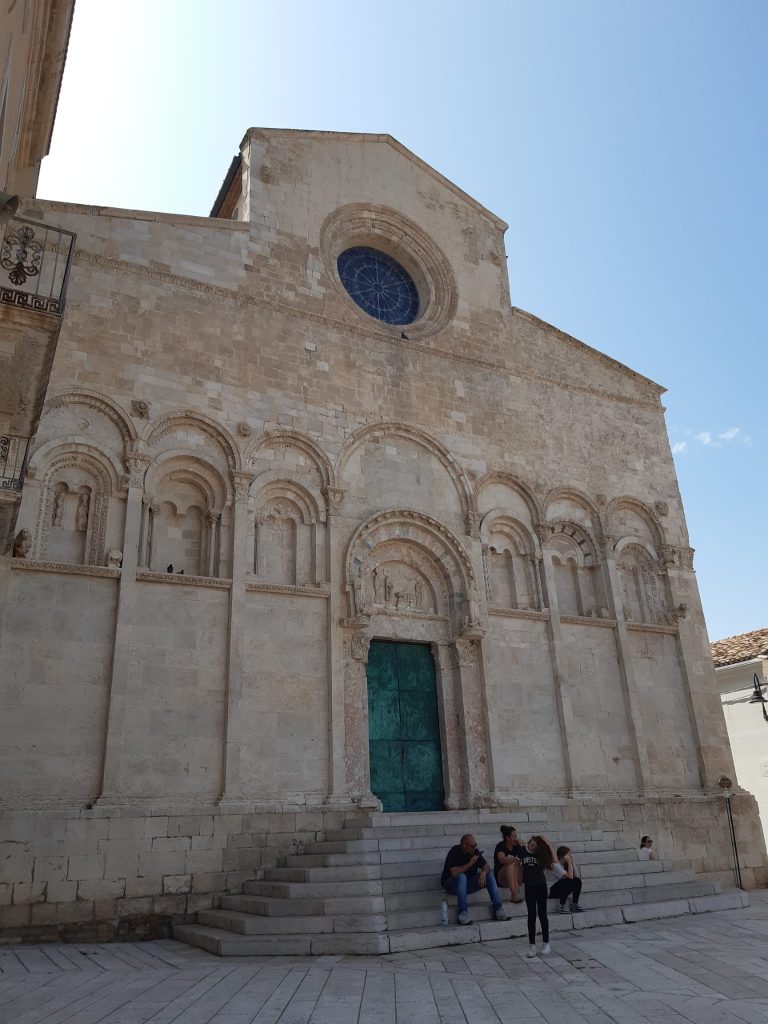
Strolling through Termoli’s historic center feels like stepping back in time, surrounded by colorful alleys, flowered courtyards, and breathtaking views. The red-roofed houses overlook the sea, and at the heart of the village stands the stunning Cathedral of Santa Maria della Purificazione—a masterpiece of Apulian Romanesque architecture. Not far away rises the Swabian Castle, a symbol of the city and the highlight of summer celebrations like the “Incendio del Castello,” a fireworks display that lights up the entire coastline.

Cosa vedere a Termoli

One quirky attraction you shouldn’t miss is the Rejecelle, an extremely narrow alley—only 41 cm wide—considered the narrowest street in Italy. Walking through it is a fun and unusual experience that reflects the organic architecture of a town built to withstand time and sea winds.

No doubt: if someone asks you what to see in Termoli, this is a must.


What to see in Termoli - Experiences to enjoy slowly

One of the most enchanting activities is a walk beneath the ancient walls, along the coastline—especially at sunset, when the warm light touches the silhouette of the trabucco, an old wooden fishing machine suspended over the water.

Few know that Termoli also lies on the 42°15' meridian, marked by a small “Monument of the Hour”: a symbolic place for those who love to travel with the compass of the soul, pausing to reflect on time and space.

For history lovers and the curious, a visit to Underground Termoli (Termoli Sotterranea) offers a glimpse into the city’s hidden side—galleries, cisterns, and spaces lying beneath the old town’s foundations.

Cosa vedere a Termoli

Traditions that tell the story of the sea

One of the most heartfelt traditions is the sea procession of San Basso, the city’s patron saint, celebrated on August 3. The statue of the saint is placed on a fishing boat and accompanied out to sea by dozens of decorated boats, followed by songs, prayers, and fireworks.

Also in August, Termoli hosts the Fish Festival (Sagra del Pesce), where local seafood takes center stage, cooked using simple and traditional recipes. If you love authentic cuisine, don’t miss these two iconic dishes: zuppa di pesce alla termolese, a flavorful fish stew full of sea aromas, and pappone, a humble dish made from stale bread, leftover fish, and good olive oil—full of homey, traditional taste.


Where to stay to visit Termoli in peace

Termoli is a must-see stop on the Molise coast, but if you’re looking for a relaxing vacation away from the crowds, we recommend staying in the surrounding area, at the Molisole accommodations. Just minutes from the center, nestled in greenery with a sea view, you’ll enjoy an authentic experience among villages, nature, and local cuisine—with the freedom to discover Termoli at the best times of the day.


How to Get to Termoli

Termoli is easily accessible:


In Summary

If you’re wondering what to see in Termoli, the answer is simple: everything. From the historic village and seaside walks to traditions and culinary experiences, Termoli is a jewel of the Adriatic, waiting to be discovered slowly. And with Molisole, your starting point can be even more special.


Cosa vedere a Termoli

What to see in Termoli - FAQ

What to see in Termoli?

Termoli is a charming seaside village in Molise, known for its colorful old town, Romanesque cathedral, Swabian Castle, and maritime traditions. It offers a unique blend of history, culture, sea views, and authentic cuisine—perfect for those seeking a slow and genuine travel experience.

What authentic experiences can you have in Termoli?

In Termoli, you can stroll along the ancient walls at sunset and walk through the Rejecelle (Italy’s narrowest alley). Discover the hidden side of the town with a visit to Underground Termoli, or take part in the sea procession of San Basso. Be sure to try local dishes like zuppa di pesce alla termolese and pappone for a true taste of the region.

Where to stay for a peaceful visit to Termoli?

For a relaxing stay, the Molisole accommodations just minutes from Termoli are the ideal choice. Surrounded by nature between hills and sea, they offer a peaceful oasis. They're perfect for exploring the town at the best times of day, away from the crowds and in harmony with the environment.

Tomb of San Nicola in Petacciato: ancient memory between faith and legend

Nestled among the vegetation and rural landscapes of Petacciato, the Tomb of San Nicola retains a mysterious charm.
This site is linked to the story of Sant’Adamo, a distinguished citizen of Petacciato, and stands as a testimony to ancient times. Although only a few ruins remain today, the place still holds spiritual and historical value, making it a special attraction for those seeking authenticity and tranquility.


An ancient church and the legend of Sant’Adamo
According to tradition, the area where the tomb now lies was once the site of a church originally dedicated to Sant’Adamo, whose relics were later transferred to Guglionesi, where he is now venerated as patron saint. After this transfer, the church is said to have been rebuilt and rededicated to San Nicola, giving the area a dual spiritual significance and enhancing the historical value of the remaining ruins. Even though little is left of the church today, this layering of dedications and legends adds to the site’s appeal, which is said to have once hosted pilgrimages and collective moments of prayer.


Tomb of San Nicola - A site immersed in the nature of Petacciato

The Tomb of San Nicola is located in a lush but rugged area along Via Carlo Goldoni, near the SP110 road—an ideal location for a short hike through the greenery and calm of the Molise countryside. Reaching the site is an experience that invites exploration of the local landscape and immersion in silence, perfect for visitors in search of peace and contemplation. The tomb is now in a ruined state, and vegetation flourishes all around, creating a suggestive and almost mystical atmosphere.


Un particolare del rudere

A detail of the ruins


Practical tips for visiting the Tomb of San Nicola in Petacciato

For those wishing to visit the Tomb of San Nicola, it is advisable to wear comfortable footwear suitable for a natural trail, where the paths can be uneven and overgrown. Since the site is not frequented by large groups of tourists, the area is usually quiet, allowing visitors to enjoy the landscape in total relaxation. Reaching the site also requires caution when driving, as the roads are narrow and often muddy. Alternatively, after arriving at the intersection with Via Goldoni near SP110, you must continue on foot for a short distance.


A place of peace and reflection
Despite its abandoned state, the Tomb of San Nicola holds symbolic importance for the area, recalling a past in which Petacciato was a significant spiritual center. Visiting the site is a journey through history and legend—ideal for those who enjoy discovering unique places far from the usual tourist routes. It is also an opportunity to reflect on the history and culture of this small community in Molise.

Tomb of San Nicola - FAQ

Where exactly is the tomb of San Nicola located and how can it be reached?

The Tomb of San Nicola is situated in a green, rural area of Petacciato, along Via Carlo Goldoni, near the SP110 road. To reach it, you can drive as far as the intersection with Via Goldoni and then continue on foot for a short distance. The path is narrow, often muddy, and surrounded by vegetation, so walking is recommended for the final stretch.

What makes the Tomb of San Nicola a site of interest?

Although now in ruins, the site holds strong historical and spiritual value. It is tied to the figure of Sant’Adamo, later venerated in Guglionesi, and was later rededicated to San Nicola. This overlapping of dedications and legends adds depth to its charm. The peaceful setting and the sense of mystery make it ideal for those seeking authentic, lesser-known destinations.

What practical tips should visitors keep in mind?

Visitors are advised to wear comfortable shoes suitable for walking on uneven and natural terrain. The site is not a common tourist destination, so it tends to be quiet and uncrowded—perfect for relaxation and contemplation. Be cautious when driving, as the roads are narrow and sometimes muddy. From the main road, expect to walk a short distance to reach the site.

The sunken city of Buca: a mystery beneath the waters of Molise

The existence of the ancient sunken city of Buca, mentioned by classical authors such as Pliny the Elder, remains a mystery for archaeologists. The city is believed to have been located near Termoli or Petacciato, along the Molise coast. Over there, several underwater findings suggest the presence of a sunken settlement. In 1989, in the area of L’Aspro—a rocky outcrop about 4 km south of Petacciato—important artifacts such as amphorae and an anchor were recovered, confirming the area’s ancient past.

Between the waters off Petacciato and Termoli lies the legendary sunken city of Buca, an ancient Roman port that continues to fascinate historians and divers alike. Shrouded in mystery, Buca may have been swallowed by the sea following landslides or earthquakes. Today, its ruins rest silently on the seabed, drawing explorers and travelers eager to dive into history and experience a one-of-a-kind adventure.

Uncover the mystery with a dive beneath the surface

I fondali che ospitano i presunti resti di Buca

Diving enthusiasts can explore what are believed to be the sunken remains of Buca, located at a depth of around 10 meters. Even if you’re not an experienced diver, the crystal-clear waters of the Molise coast offer spectacular views for those who simply wish to snorkel and observe the seabed from above.

History, legend, and modern theories about the lost city of Buca

Over the years, explorations and studies by researchers such as Luigi Marino and Filippo Di Donato have revealed masonry structures and Roman-era materials, suggesting that Buca was once a significant harbor settlement. Some theories propose that seismic activity or a massive landslide led to its submersion. In addition, recent research continues to shed light on its possible location, strengthening the hypothesis that Buca may lie near the Torre di Petacciato, a site rich in archaeological remains.

How to visit Petacciato and discover the wonders of Buca

L'area dove sono localizzati i reperti dalla visuale del Villaggio La Torre

Petacciato, easily accessible via the SS16 state road, is the perfect starting point for exploring the Molise coastline and uncovering the secrets of Buca. Villaggio La Torre in fact, with its stunning sea views and excellent tourist amenities, offers an ideal base to relax after a day of exploration.

The legend of the sunken city of Buca lives on, captivating anyone drawn to history and the sea. Also offering a journey through time to rediscover a lost civilization.