Holidays in Petacciato: where the sea meets untouched nature

Holidays in Petacciato offer the perfect escape for those seeking a relaxing break, close to nature and far from mass tourism. Overlooking an unspoiled stretch of coastline, this small corner of paradise is still largely undiscovered, nestled between green hills and the blue waters of the Adriatic Sea.

This Molisan village, located in the province of Campobasso, offers quiet beaches, a charming historic center, and breathtaking views. Its strategic location—between some of southern Italy’s most beautiful beaches and natural reserves—makes Petacciato a perfect destination for families, couples, and nature lovers.

Unspoiled beaches and crystal-clear waters

Il mare di Petacciato
Le acque cristalline di Petacciato

The crystal-clear waters of Petacciato are among its greatest treasures. Known as one of the cleanest beaches along the Adriatic coast, Petacciato Marina stretches for kilometers, offering wide, peaceful spaces—perfect for those who love the sea without the crowds. You can lay out your towel and relax under the sun, with the guarantee of clear waters and safe, shallow seabeds—ideal for children too.

One of the area’s unique features is the presence of wide sand dunes, a rare sight, creating a scenic and protected landscape shaded by a beautiful coastal pine forest. The beach offers both serviced areas with beach clubs and plenty of free stretches for those who prefer a wilder, more natural experience.

Hikes and breathtaking views in Petacciato

Le Tremiti dal belvedere di Petacciato
La vista dal belvedere di Petacciato

The view from the Petacciato viewpoint is something not to miss. If you’re looking for more than just the sea, Petacciato won’t disappoint. The village sits on a hill with exceptional panoramic views. On clear days, you can spot the Tremiti Islands and, on the other side, the mountains of the Maiella National Park.

One of the best tips for visitors is to explore the nature trails through the Petacciato Marina nature reserve, where you can admire local flora and fauna, including various species of migratory birds. Don’t forget to bring comfortable shoes and a good camera—the views are a true delight for the eyes and soul.

Holydays in Petacciato - Historic center and local traditions

Petacciato’s historic center is a little jewel waiting to be explored. Walking through its narrow streets, you’ll feel immersed in the authentic atmosphere typical of Molisan villages. Visit the Church of Santa Maria with its distinctive crypt and the Ducal Palace—and don’t miss the highlight: a panoramic viewpoint that will take your breath away.

If you visit during the summer, you might catch one of the many local festivals that bring the village to life with music, dancing, and traditional food.

Useful tips for visitors

In short, holidays in Petacciato are the perfect choice for those seeking an authentic getaway, far from the crowds, surrounded by natural beauty and rich Molisan traditions.

Petacciato Tower: a piece of History framed by a breathtaking view

Overlooking the Adriatic Sea and just steps from the beach, the Petacciato Tower — also known as Torre Diroccata — is one of the most captivating landmarks on the Molise coast. Built in the 16th century as part of a coastal defense system against Turkish raids, the tower tells tales of watchful lookouts and distant battles. Today, its partially crumbling stone walls are steeped in historic charm, enhanced by a stunning sea view that makes this site a must-see for visitors in search of both beauty and history.

Navi turche all'assalto delle coste italiane (generata con IA)
Turkish Ships Assaulting the Italian Coast (AI-generated image)


A journey into the History of Petacciato Tower

The Petacciato Tower was built in the 16th century as part of a network of coastal watchtowers designed to defend the Adriatic coastline from enemy invasions. At the time, Ottoman pirate raids were frequent, and the tower played a crucial role in spotting incoming ships and communicating with other lookout points along the coast. This system helped warn inland villages of approaching danger.

Despite the passing centuries, the tower still stands proudly overlooking the sea, preserving the atmosphere of those turbulent times. Its weathered stone walls seem to blend into the coastal landscape, whispering stories of watchful guards and defensive battles, while the vast horizon provides visitors with a breathtaking view.

Relaxation and Dreamy Views: Villaggio La Torre

Just a short walk from the Torre Diroccata, along State Road 16 at km 535, you'll find a small paradise. Villaggio La Torre, a welcoming holiday complex ideal for those seeking rest and comfort in a natural setting. Named after the historic tower nearby, the village features a camper area nestled in greenery, with direct access to the beach. Guests can enjoy umbrellas, sun loungers, and beach chairs for complete seaside relaxation.

One of the village’s highlights is its panoramic seafront restaurant. Visitors can savor local specialties and fresh seafood while taking in stunning views of the Adriatic coast. Whether it’s a romantic sunset dinner or a family lunch by the sea, the restaurant at Villaggio La Torre is the perfect place to unwind and enjoy the best of Molisan cuisine.

A unique experience of History and Nature

Il tramonto dal Villaggio La Torre
Sunset from Villaggio La Torre

Visiting the Petacciato Tower offers a unique experience that blends the charm of an ancient monument with moments of pure relaxation. After exploring the tower and taking in the sweeping coastal views, you can enjoy a peaceful walk along the beach or unwind at the nearby Villaggio La Torre.

The contrast between the historic atmosphere of the tower and the modern comforts of the village makes this area ideal for a day trip or a longer stay. The breathtaking sea view—visible both from the tower and the village—creates a magical setting, perfect for those seeking a rejuvenating break surrounded by nature and history.


Practical tips for tourists

If you're a lover of history and relaxation, adding the Petacciato Tower to your travel itinerary is a must. For the best experience, we recommend starting with a scenic coastal walk from the tower down to the beach. There, you might notice patches of clay mixed with the sand. Then, take a break at Villaggio La Torre for a seafront lunch or dinner, or simply relax in the calm, green surroundings.

The Petacciato Tower and Villaggio La Torre are ready to welcome you for a truly memorable experience along the beautiful Molise coast, where the magic of the past meets the beauty of the present.

Petacciato Tower- FAQ

What is the historical significance of Petaccato Tower?

Petaccato Tower—also known as Torre Diroccata—was built in the 16th century as part of a coastal defense system against Turkish pirate raids. It served as a key lookout point to warn inland communities of approaching enemy ships along the Adriatic.

Can visitors explore Petaccato Tower and its surroundings?

Yes, visitors can easily reach the tower, just a few steps from the beach. While access is limited to the exterior for safety reasons, you can still appreciate its historic stone walls and take in stunning sea views. The surrounding area is perfect for leisurely walks, photography, and peaceful moments by the water.

What facilities does Villaggio La Torre offer nearby?

Villaggio La Torre provides modern conveniences close to Petaccato Tower. It features a camper area, direct beach access with umbrellas, sunbeds, and a scenic restaurant serving local specialties and fresh seafood. It's an ideal spot to unwind after exploring history and nature.

The church of Santa Maria and the crypt of San Rocco in Petacciato

The Church of Santa Maria and the Crypt of San Rocco, located in the heart of Petacciato, offer visitors an experience that blends faith, art, and breathtaking scenery. Perched on the town’s Belvedere, the church captivates not only with its history but also with its spectacular view of the Adriatic Sea and the Tremiti Islands. Anyone visiting Petacciato cannot miss this unique viewpoint, especially at sunset, when the sky is painted with extraordinary colors.

Built in the 17th century, the church was originally dedicated to San Rocco, a deeply venerated saint in this area of Molise. Later rededicated to Santa Maria, the building’s simple structure reflects the rural church style, with modest yet striking architectural elements. Located just steps from the Ducal Palace, the church features a single nave and houses several sacred artworks that deserve attention.


The crypt of San Rocco: A hidden treasure

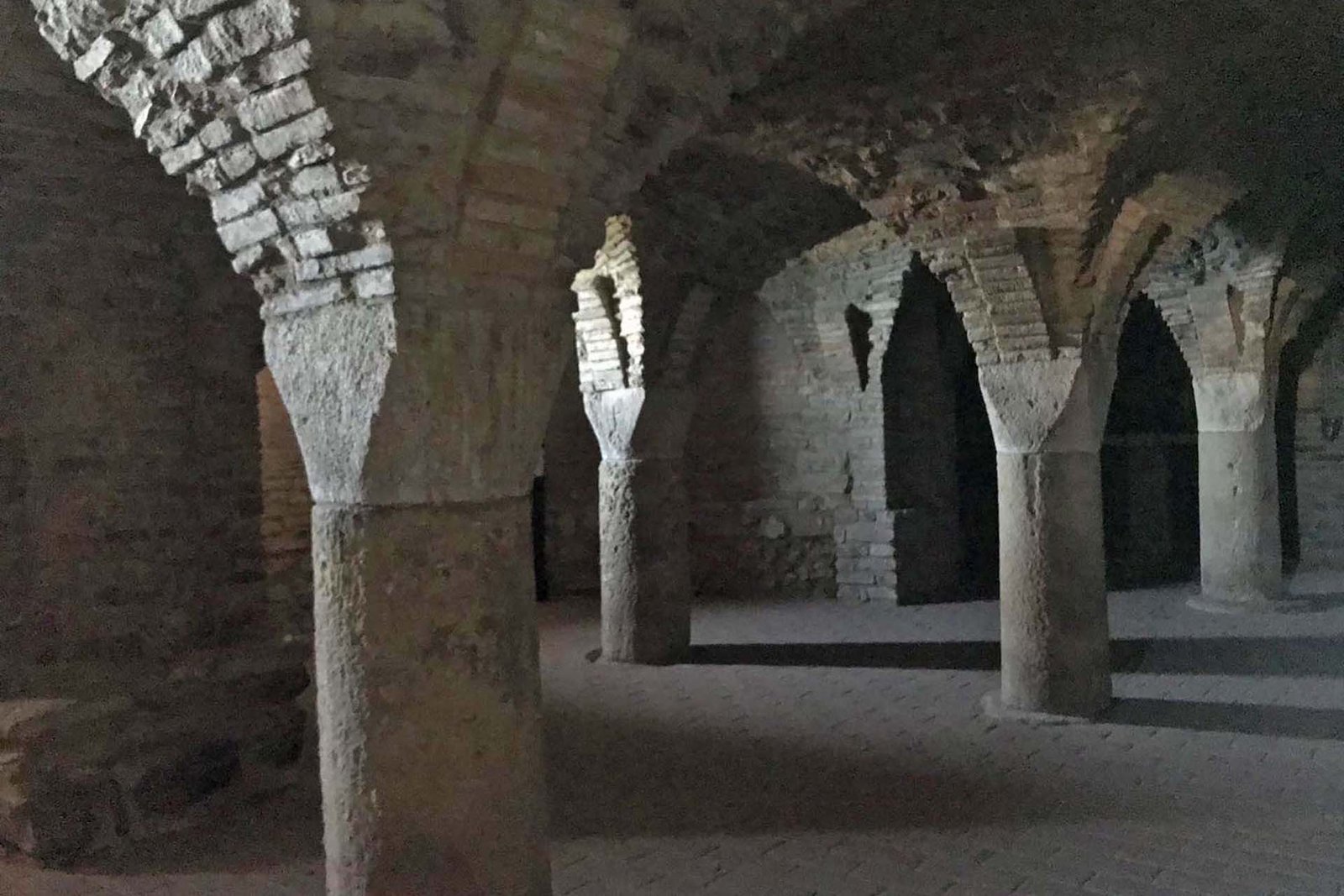
One of the church’s most captivating features is the Crypt of San Rocco, a space that takes visitors on a journey back in time. Located beneath the church, the crypt was used for ceremonies and burials and stands as a rare example of underground sacred architecture. Its stone walls and austere atmosphere invite meditation and reflection. The crypt is believed to have been built as a devotional gesture to San Rocco, who was invoked in the past for protection against plagues.

The crypt is open to visitors and is especially appreciated by history and archaeology enthusiasts, as it preserves valuable traces of local faith and culture through the centuries. Though simple, its decorative elements bear witness to a rich past full of traditions and beliefs.


La Cripta (foto Turismo in Molise)

Tips for Visiting the Old Church and Crypt in Petacciato

Visiting the Church of Santa Maria is a must for anyone passing through Petacciato. Located just a short walk from the historic center, the church is easily accessible and makes for a perfect stop for those who love combining art with nature. The Belvedere on which it stands offers a stunning view of the Molise coastline, making it the perfect place for panoramic photos and a moment of relaxation.

The best time to visit is early in the morning or at sunset, when the sunlight enhances the colors of the landscape and the atmosphere becomes magical. After touring the church and crypt, visitors can continue their walk along the Belvedere or stop by nearby cafés to enjoy local Molise specialties.


How to Get There

Petacciato is well connected to both major towns in Molise and the seaside resorts along the Adriatic coast. The church is located within the historic center, and parking is readily available nearby. Be sure to bring a camera to capture the magnificent views from this peaceful and spiritual spot.

With its centuries-old history and breathtaking views, the Church of Santa Maria is one of Petacciato’s most treasured gems.

Church of Santa Maria and crypt of San Rocco in Petacciato - FAQ

What makes the Church of Santa Maria in Petacciato special?

The Church of Santa Maria stands out for its panoramic location on the Belvedere, overlooking the Adriatic Sea and the Tremiti Islands. Built in the 17th century and originally dedicated to Saint Roch (San Rocco), it combines history, art, and spirituality in a uniquely scenic setting—especially at sunset.

Is it possible to visit the Crypt of San Rocco?

Yes, the Crypt of San Rocco, located beneath the church, is open to visitors. It is a rare example of underground sacred architecture, once used for ceremonies and burials. Its evocative atmosphere and stone walls offer a powerful experience, perfect for lovers of history and archaeology.

How can I get to the church and when is the best time to visit?

The Church of Santa Maria is located in the historic center of Petacciato, easily accessible with nearby parking. The best times to visit are early in the morning or at sunset, to enjoy the best light and the spectacular views of the Molise landscape.

The beauty of the dunes: nature and sustainable tourism

The dunes of Petacciato, along the beautiful Molise coast, are a natural wonder to explore and experience. With their wild charm and privileged location between the Adriatic Sea and Mediterranean vegetation, these dunes offer a unique experience for those seeking a holiday immersed in nature and relaxation. A visit here lets you dive into a scenic landscape and breathe in the authenticity of an untouched environment.

An oasis of sand and vegetation

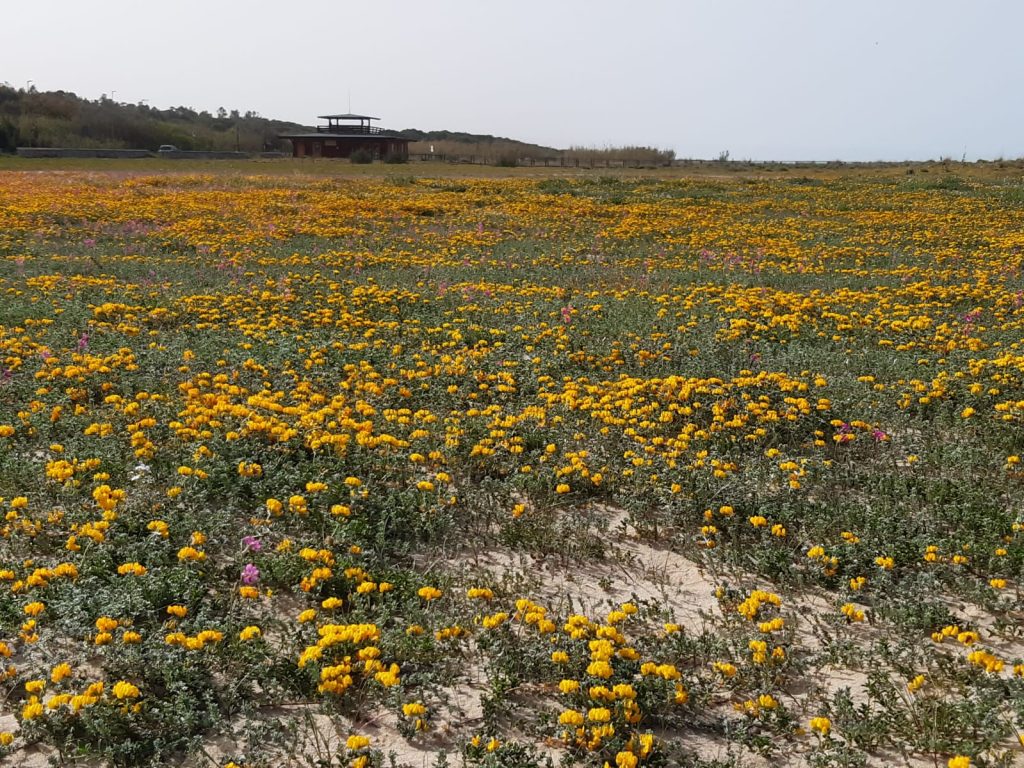
Dune di Petacciato
Dune di Petacciato

The dunes of Petacciato are more than just a natural boundary between land and sea—they are a true treasure trove of biodiversity. Covered with juniper, mastic, and rosemary, these sandy formations offer a captivating natural spectacle. Their sinuous shapes, sculpted by the wind, gently guide visitors from the golden beach to the lush coastal pine forest, creating a timeless atmosphere.

Walking barefoot among the dunes is a chance to unwind, surrounded by the scents of Mediterranean scrub and the soothing sound of waves breaking nearby. In spring and summer, the vegetation bursts into color, providing a stunning scene for nature photography enthusiasts.

A sustainable tourism experience

One of the most fascinating aspects of the Petacciato dunes is the opportunity to experience them sustainably. Wooden walkways and footpaths, carefully placed to protect the environment, allow visitors to explore the area without causing damage. These paths connect the beach with the pine forest, placing nature at the center of the experience.

The area is perfect for those who seek a peaceful, relaxed kind of tourism, far from crowded seaside resorts. The nearby Petacciato beach offers wide open spaces to sunbathe, take long walks, and enjoy crystal-clear waters. It’s an ideal destination for families and couples looking for a peaceful escape from everyday stress.

Outdoor Activities on the Petacciato Dunes

La vegetazione delle dune di Petacciato

The dunes of Petacciato are perfect for lovers of the outdoors. In addition to walking among the sand and plants, you can enjoy birdwatching and observe a variety of birds that make their home here. The Molise coastline is a key stopover for many migratory species, making it a favorite for wildlife enthusiasts.

Trekking lovers will find routes through the pine forest and dunes that offer a chance to discover breathtaking landscapes, while those who prefer relaxation can simply enjoy the calm and beauty of this coastal haven.

Practical tips for visiting the dunes of Petacciato

When visiting the dunes of Petacciato, make sure to bring everything you need for a day outdoors: comfortable shoes, a hat to protect yourself from the sun, and plenty of water to stay hydrated while exploring. The beach is wide and free, but it’s important to respect the surrounding nature by staying on marked paths and not leaving any waste behind.

The dunes of Petacciato are a natural treasure to be discovered—an ideal destination for anyone seeking peace and quiet in a unique and little-known setting. Whether you're a nature lover, a beachgoer, or simply in search of tranquility, this place promises an unforgettable experience.

Dunes of Petacciato - FAQ

What makes the dunes of Petacciato special?

The Petacciato dunes are a unique natural environment located between the Adriatic Sea and Mediterranean scrubland. Covered with plants like juniper, mastic, and rosemary, they offer an evocative and authentic landscape. Their wind-shaped forms naturally connect the beach to the pine forest, creating an immersive experience in nature.

What activities can you do while visiting the dunes?

The dunes are perfect for barefoot walks in the sand, trekking along the forest trails, birdwatching, and nature photography. Thanks to protected paths and wooden walkways, you can explore the area without harming it—enjoying a relaxing and sustainable tourism experience, ideal for families, couples, and nature lovers.

What are some practical tips for visiting the dunes of Petacciato?

Wear comfortable shoes, bring a sun hat, and carry enough water. It’s essential to respect the environment by following marked trails and not leaving any litter. The nearby beach is spacious and peaceful, great for relaxing, but respecting nature is key to preserving this unspoiled paradise.

Petacciato pine forest: a unique ecosystem to discover

Located along the Molise coastline, the Petacciato Pine Forest is a true natural gem, born from a reforestation project that transformed once-swampy lands into a thriving ecosystem. It stands as one of the most significant reforestation efforts in Molise, valued both for its ecological importance and its role in protecting local biodiversity.

Petacciato pine forest - A land reclamation project that transformed the landscape

In the 1950s, the Italian Ministry of Agriculture and the State Forestry Corps launched a major land reclamation project in this area to reduce humidity and stagnant waters at the mouths of the Trigno and Saccione rivers. These zones had a high risk of malaria, and reforestation was seen as a crucial solution to improve environmental and public health conditions.

The planting of various forest species—including Aleppo Pine, Maritime Pine, and exotic species like eucalyptus—quickly transformed the land. Today, the Petacciato Pine Forest spans approximately 65 hectares, offering a unique landscape of conifer woods and sandy dunes.

Biodiversity and Invasive Species

Conservation programs such as “Life Maestrale” have helped remove invasive species and restore native Mediterranean vegetation such as myrtle, lentisk, juniper, and buckthorn. Thanks to these initiatives, the forest ecosystem is gradually regaining its natural balance, supporting a greater diversity of plant and animal life.

Passerelle pedonali all'interno della pineta

A place for relaxation and discovery

Beyond its ecological value, the Petacciato Pine Forest is an ideal destination for those looking to spend time in nature. Visitors can explore woodland paths, breathe in the fresh air, and enjoy the peacefulness of a place far from urban noise.

It's a perfect spot for walks, picnics, and outdoor activities, especially in spring and summer when the forest is at its greenest. The area is also a popular birdwatching location, where visitors can observe both migratory and resident bird species among the dunes and nearby wetlands.

Conservation and future

The Petacciato Pine Forest is a powerful example of how human intervention can improve a landscape, making it not only more livable but also ecologically richer. However, the current challenge lies in ensuring sustainable management that will preserve the integrity of this precious ecosystem for future generations.

Petacciato pine forest - FAQ

How was the Petacciato Pine Forest created and why is it important?

The Petacciato Pine Forest was established in the 1950s thanks to a reforestation project by the Ministry of Agriculture and the State Forestry Corps. The initiative transformed a marshy, malaria-prone area into a thriving ecosystem. Today, it stands as one of Molise’s most significant reforestation efforts, playing a key role in biodiversity and environmental protection along the coast.

What plant and animal species can be found in the pine forest?

The forest is home to conifers like Aleppo pine and maritime pine, as well as native species such as myrtle, mastic tree, juniper, and buckthorn. Thanks to conservation projects, invasive species are being removed to support the growth of local flora. It also provides an ideal habitat for many bird species, making it a great destination for birdwatching.

What can you do during a visit to the Petacciato Pine Forest?

Visitors can walk along forest trails, use the pedestrian boardwalks, enjoy picnics, and relax in nature. The pine forest is especially beautiful in spring and summer, making it perfect for those seeking tranquility, outdoor activities, and a deeper connection with the natural environment.

Ducal Palace of Petacciato: medieval history and noble charm

The Ducal Palace Battiloro of Petacciato, commonly referred to as the “Castle,” is a captivating historic building located in the oldest part of the town, just a few steps from the picturesque Church of Santa Maria. Originally built as a defensive fortress, the structure has evolved over the centuries—from military stronghold to noble residence—while maintaining a timeless charm that continues to attract visitors. Its privileged position offers a unique view of the Adriatic Sea and the Tremiti Islands, adding a spectacular natural backdrop to its architectural appeal.


The History of the Ducal Palace and the Battiloro Family

The palace has medieval roots, with its construction dating back to the Norman period—evident in the thickness of the walls and remaining defensive features like machicolations and the ruins of a drawbridge once used to repel invaders. When the Battiloro family took possession, the fortress underwent a major transformation into an elegant noble residence. In 1463, the palace and the surrounding village suffered severe damage during a military attack led by Antonio Caldora, which left both in ruins.

In the second half of the 19th century, Countess Ortensia d’Avalos initiated a revival of the palace. A new upper floor and the still-visible battlements were added, using stone from local Petacciato quarries to honor its new residential purpose.


Architecture and Interior Details

The palace today features a quadrangular layout and a simple yet imposing stone structure, built with rough stone and pebbles. It retains architectural elements from different periods, such as brick vaulted ceilings and wooden beams, giving a glimpse into its original form. The 19th-century additions include decorative battlements and stone-framed windows, reflecting the noble style of the era.

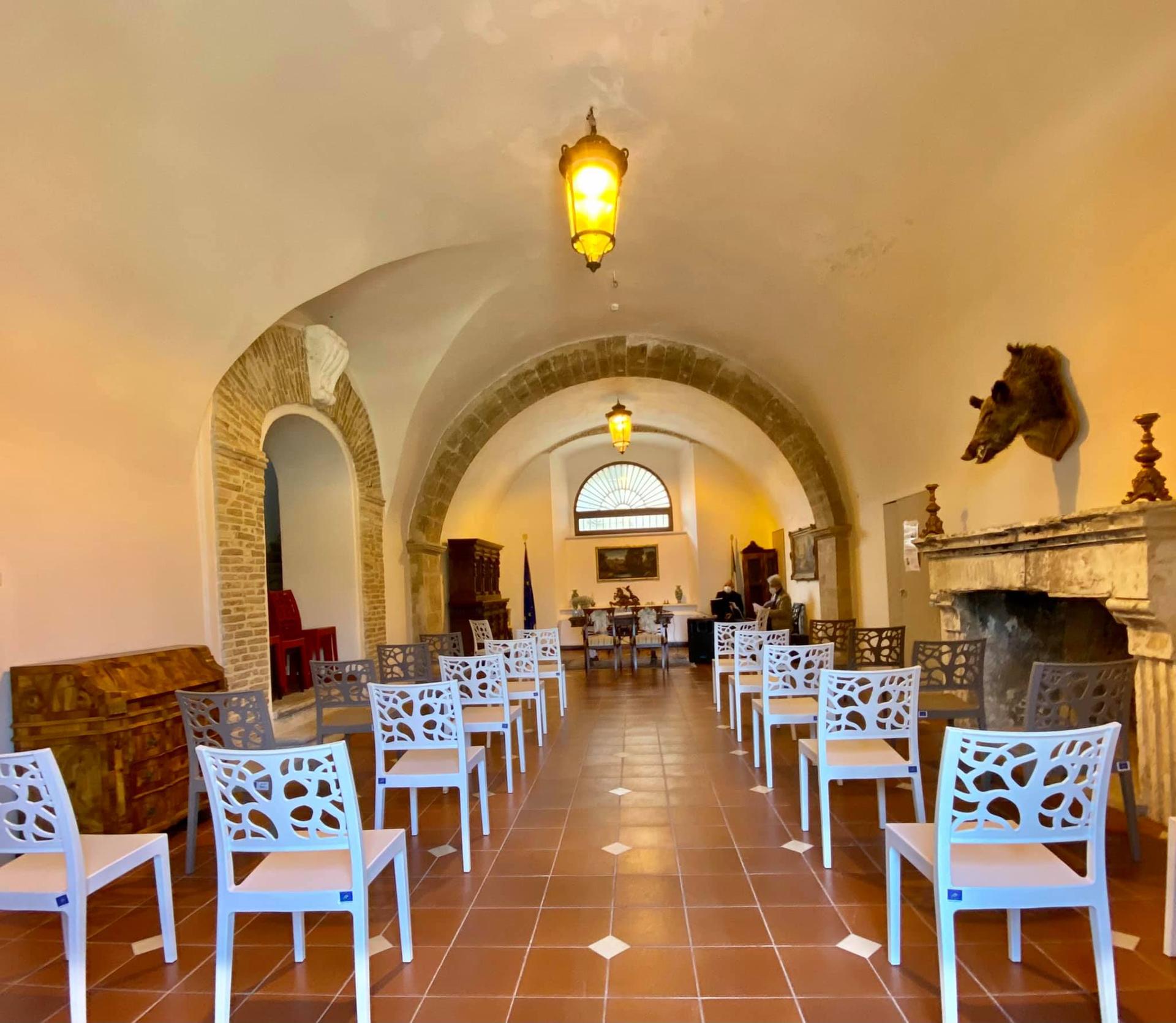
Inside, the ground floor houses a large hall, once used for receptions and celebrations, adorned with fine decorations. The rooms were enriched with statues, bronze artworks, collections of antique weapons and coins. Bedrooms were furnished with valuable antiques and featured an extensive collection of local wildlife hunted and preserved by the duke.

Il salone interno al piano terra (foto visitmolise.eu)

A Renewed Attraction for Visitors

In 2016, after years of closure, restoration work began to restore part of the palace’s former glory. These efforts aim to enhance the site as a cultural center for exhibitions and events, and as the home of the municipal multimedia library. Visitors can now explore the outdoor garden, the main hall, and restored rooms by booking a guided tour to uncover the palace’s history and the stories of the families who lived there. The Ducal Palace stands as a living testimony of Petacciato’s history, blending landscape beauty, heritage, and tradition.


Tips for Visiting the Ducal Palace of Petacciato

It’s recommended to book your visit in advance. During the guided tour, guests will be immersed in local history and, on special occasions, can taste regional products, offering a warm welcome into the heart of Petacciato’s culture.


Contact Information

Ducal Palace Petacciato - FAQ

Is it possible to visit the interior of the Ducal Palace of Petacciato?

Yes, the Ducal Palace can be visited by reservation. Guests can access the main hall, some restored rooms, and the outdoor garden. During the guided tour, you can learn about the palace’s history and the noble families who once lived there.

What is the history of the Ducal Palace and who lived there?

The palace has medieval origins and was originally built as a defensive fortress. It was later transformed into a noble residence by the Battiloro family. Over time, it underwent several renovations, including a major restoration in the 19th century led by Countess Ortensia d’Avalos.

When is the Palace open and how can I book a visit?

The Palace is open on Sundays from 4:30 PM to 7:30 PM, by reservation only.
To book a visit, you can call +39 0875 703913 or +39 346 1317735, or send an email to aast.europe@gmail.com.

Natural clay in Petacciato between sand and sea

Petacciato Marina hides a secret: natural clay between sand and sea that emerges spontaneously along the southern beach.
This natural spectacle, nestled between Spiaggia Ventotto and Villaggio La Torre, attracts visitors intrigued by its geological origins and almost fairytale-like atmosphere. Here, the land—moved by ancient underground forces—meets the sea, offering a unique experience for both young and old.


How to reach this corner of nature

The route to discover the clay is simple but requires a short walk. If you arrive from the SS16 road, you can choose between two entrances: start at Spiaggia Ventotto and head south, or begin from Villaggio La Torre and walk north. Both paths offer scenic views and full immersion in the coastal landscape, ideal for a day of relaxation and discovery.


A quirky natural ritual

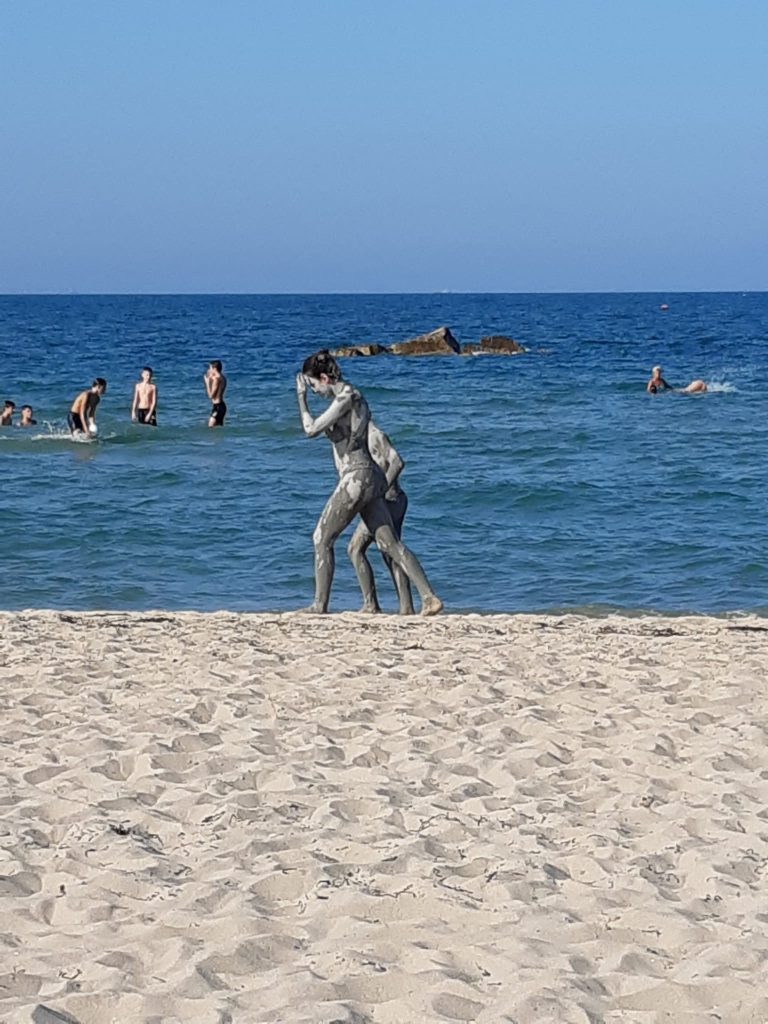
The true show begins when beachgoers cover themselves in clay. Coated in this grayish substance, people are transformed into surreal figures—resembling cartoon characters or Marvel superheroes. As you stroll along the beach, you might encounter a family of “clay monsters” laughing and posing for memorable photos. It’s an experience that combines fun and mystery, especially enchanting for children who love becoming “magical creatures”.


Natural clay in Petacciato - the geological origin

This natural clay isn’t just a coincidence. It’s the result of Petacciato’s unique geological makeup: a subsoil rich in water combined with a slow-moving landslide that, over time, brings this precious material to the surface. It’s a rare phenomenon that tells a fascinating geological story, making the southern beach a true open-air museum.


A refreshing dip and practical tips

After covering yourself in clay, there’s no need to find a shower. Just dive into the crystal-clear sea of Petacciato Marina to complete the ritual—let the waves wash the clay away and rejuvenate your skin. To enjoy the experience fully, bring only the essentials: a towel to relax on and a phone to capture your unique look. One important note: watch your step, as the clay can make the ground slippery. Pay attention to signs marking where swimming is prohibited for safety reasons.


The magic of a unique place

Between the emergence of clay and the gentle waves lapping the shore, the southern beach of Petacciato Marina is a place that captivates everyone. Whether you seek relaxation, an unusual adventure, or inspiration for creative photos, this stretch of coastline has something special for everyone.


Natural Clay in Petacciato – FAQ

Where can you find the natural clay on Petacciato Marina’s beach?

The natural clay surfaces spontaneously on the southern stretch of Petacciato Marina’s beach, between Spiaggia Ventotto and Villaggio La Torre. It’s easily accessible by foot from either entrance.

Is it safe to cover yourself in clay and swim in the sea?

Yes, it’s a common and much-loved activity. After applying the clay, simply rinse it off in the sea. However, some areas are slippery and marked with signs prohibiting swimming for safety reasons—always follow local guidance.

Do you need any special equipment for the experience?

No, just a towel and your phone for pictures. The walk is easy, but comfortable shoes are recommended, and be cautious on slippery terrain, especially where the clay is thickest.