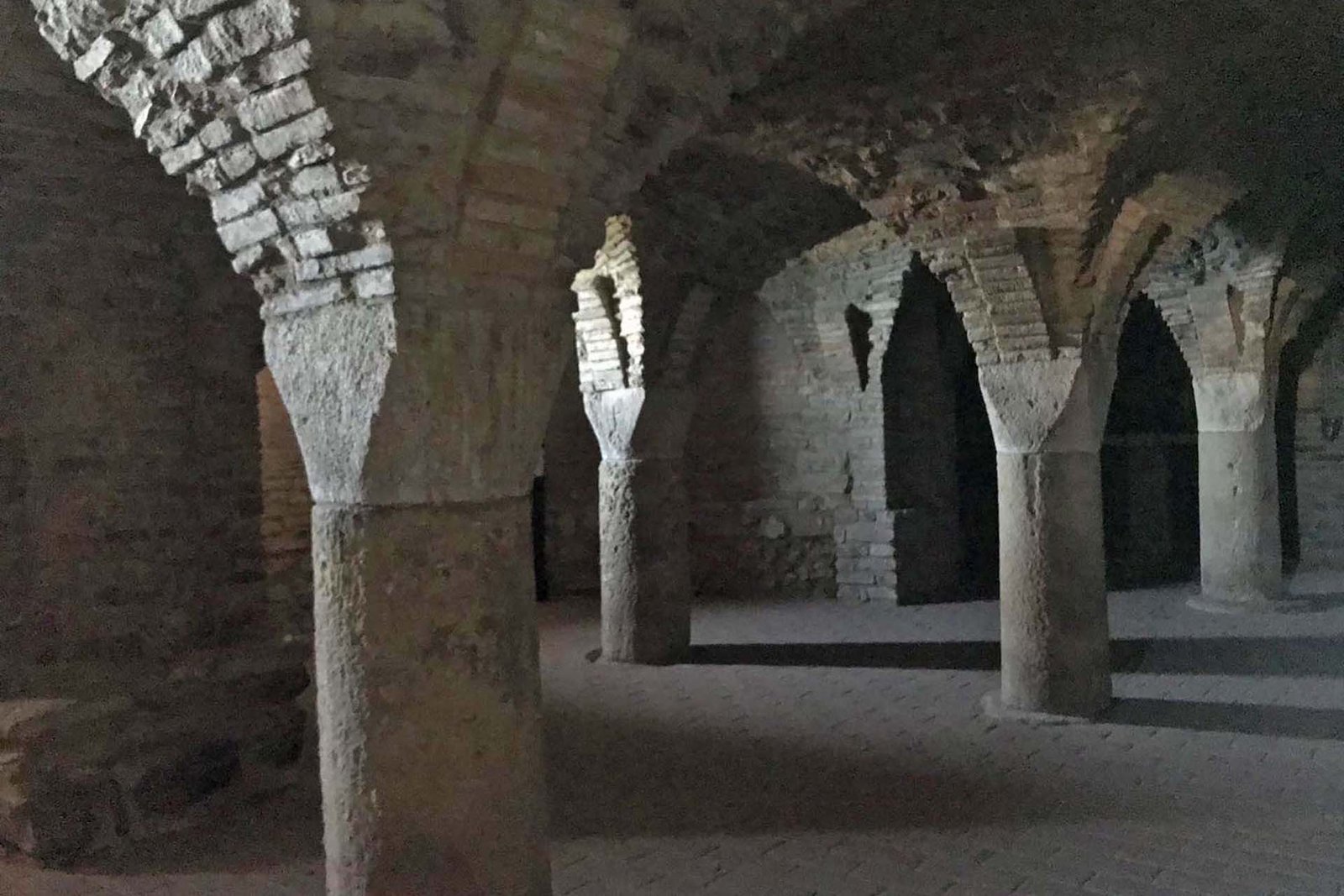
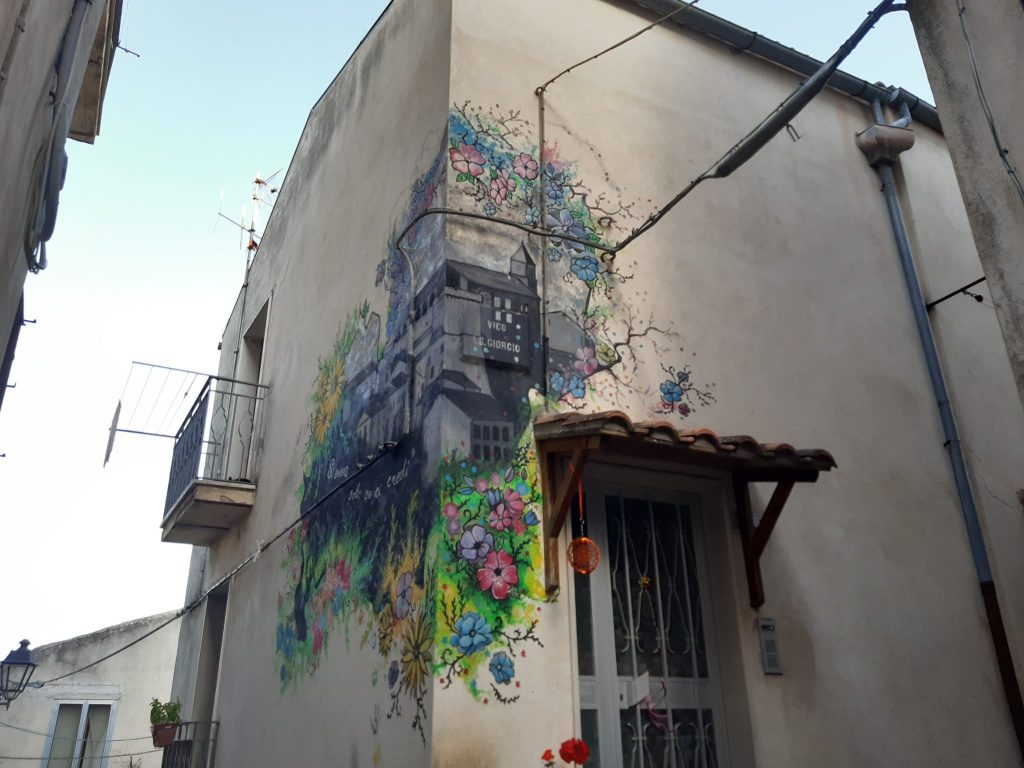
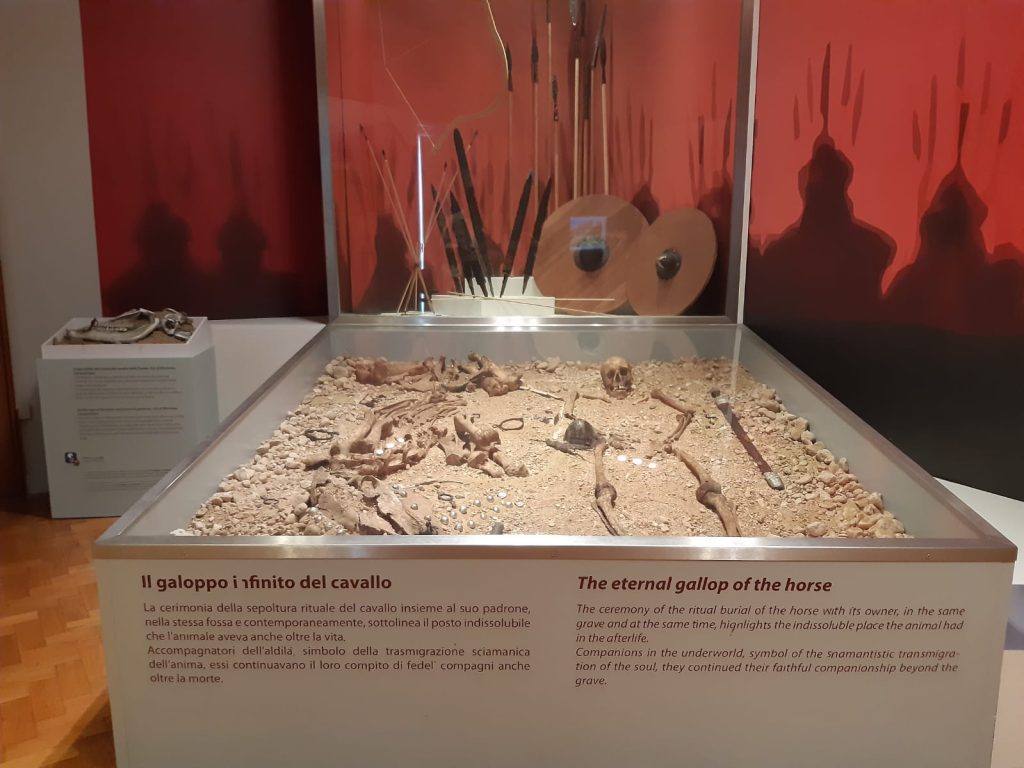
Musei del Molise

Castelli del Molise

Musei civici di palazzo d'Avalos

Santuario di Canneto

Discover Molise in Autumn

Discover Molise in autumn and experience an authentic journey through quiet beaches, colorful villages, and rich traditions. Far from crowded tourist routes, this hidden gem of Italy offers golden landscapes, cultural treasures, and seasonal flavors that make every moment unforgettable.


Why Choose the Molise Coast in Autumn

Autumn is when the Molise coastline reveals its true beauty – peaceful, authentic, and full of colors.


The Sea, Without the Crowds

Imagine walking along the shoreline in September and October: no noise, no stress – just the sound of the waves.


Villages You Can’t Miss in Autumn

Beyond the coast, Molise’s inland villages are wrapped in the warm shades of fall – red, gold, and amber landscapes waiting to be discovered.


Autumn Flavors of Molise

Autumn in Molise is not only about landscapes – it’s a feast for the senses.


Suggested Itinerary

Day 1–2: Start along the coast in Petacciato, Montenero, and Termoli.
Day 3–4: Explore inland gems like Civitacampomarano and Casacalenda.
Day 5+: End your journey in Campobasso and Agnone, where history, tradition, and mountain flavors come together.


Why Molise in Autumn?

✔ Mild weather along the coast.
✔ Authentic villages far from mass tourism.
✔ Seasonal flavors and deep-rooted traditions.
✔ Great value for money and perfect stays for digital nomads.

🍁 Molise in autumn isn’t just a trip – it’s an experience. Come discover Italy’s hidden gem, where every corner tells a story.
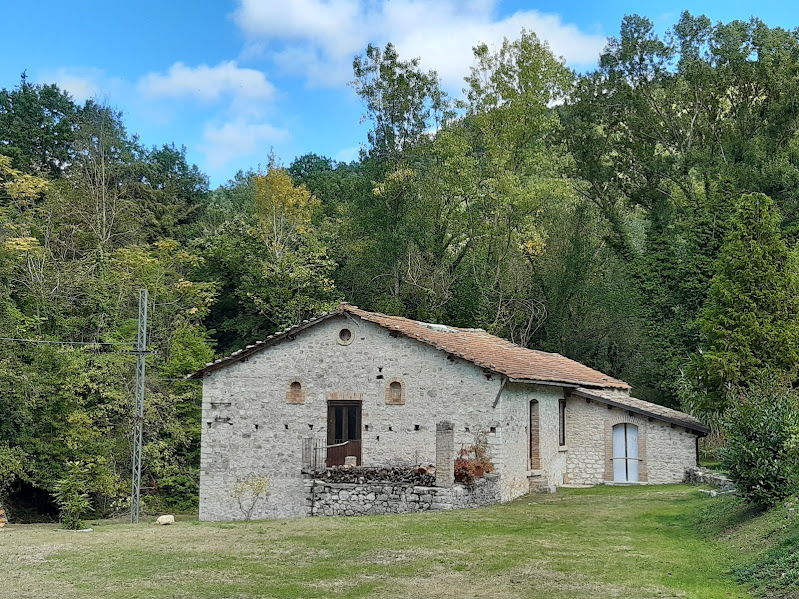
Discover Molise in Autumn

Discover Molise in Autumn - FAQ

Why should I visit Molise in autumn instead of summer?

Autumn is the best time to discover Molise at a slower pace. The weather is still mild, the beaches are quiet, and villages glow with warm fall colors. You can enjoy authentic experiences—like olive oil tastings, truffle hunting, and food festivals—without the summer crowds.

What are the must-see places during an autumn trip to Molise?

Start on the coast with Petacciato, Montenero di Bisaccia, and Termoli for seaside charm and cultural heritage. Then head inland to discover artistic Civitacampomarano, natural Casacalenda, historical Campobasso, and the traditional bell-making town of Agnone. Each offers a unique autumn atmosphere.

What local foods and drinks should I try in autumn?

Molise in autumn is a true food lover’s paradise. Taste freshly pressed olive oil, bold local wines like Tintilia and Biferno, and seasonal specialties such as mushrooms, truffles, legumes, and artisanal cheeses. Many farms and mills welcome visitors for tastings and food tours.
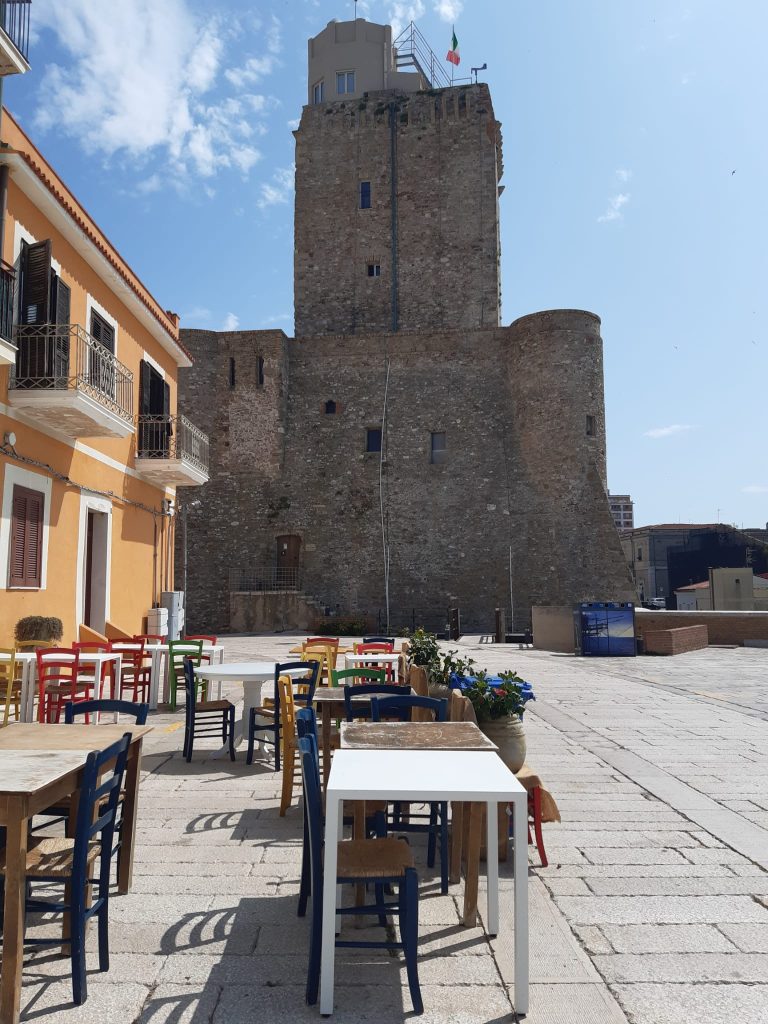
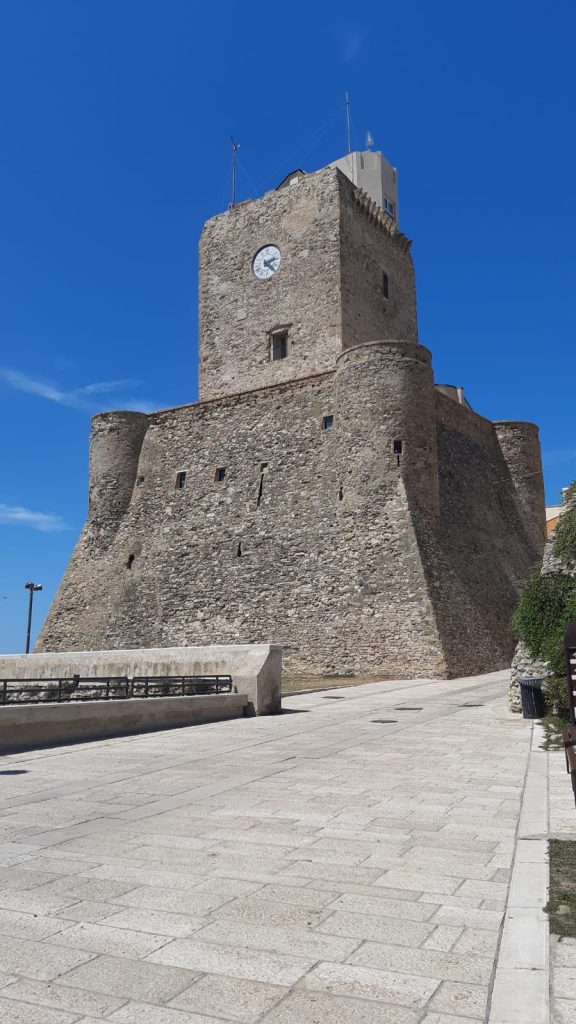
Swabian Castle of Termoli: the city’s symbol of history, scenic views, and the Sea museum

Unmistakable, elegant, and quietly majestic, the Swabian Castle of Termoli is the most iconic monument of the city. It's a true symbol of identity for locals, who have watched it rise from the promontory overlooking the Adriatic Sea for centuries. Its squared and austere silhouette can be spotted from afar along the coast, dominating the urban landscape and marking the entrance to the historic town center.

Built in the 13th century from limestone and sandstone, the Swabian Castle of Termoli was designed to defend the city from both sea and land attacks. Surrounded by solid walls with cylindrical towers, it still preserves the original entrance to the Old Town.

Originally a Lombard fortress, the castle was reinforced and expanded in 1240 under Frederick II of Swabia, who wanted it to serve as a defensive bastion against sea invasions. It is to this great emperor that the castle owes its current name, though the keep’s foundation and certain masonry techniques clearly reveal Norman origins.

Damaged by the 1456 earthquake, it was rebuilt at the request of Ferdinand I of Aragon, maintaining its role as both a defensive structure and a historical emblem of the city.

Castello Svevo di Termoli

A Fortress Between the Sea and the Village

The Swabian Castle stands within the walls of Termoli’s Old Town, serving as its symbolic and physical gateway. The entrance is located on the side facing the historical center, on Via Federico II di Svevia, just a few meters before the archway that leads into the village. Its location is extraordinary: on one side, it offers a breathtaking view of the sea, while directly in front lies the Photographers' Overlook. It's a panoramic lawn looking out over Lungomare Cristoforo Colombo and the long Sant’Antonio beach.

The Swabian Castle of Termoli - What to See Inside


Inside, the castle retains its original square layout, featuring a central tower and side rooms once used for military purposes. Over the centuries, it has served as a prison, temporary residence, watchtower, weather station, and now a cultural venue. It hosts temporary exhibitions of painting and photography and is often included in guided city tours.

Part of the castle is still used by the Italian Air Force, but the accessible areas allow visitors to experience layers of history through thick walls, walkways, and windows overlooking the village and open sea.

MuMa – Sea Museum of Termoli

Since 2024, the castle’s lower floor houses the MuMa – Sea Museum of Termoli, a small yet captivating multimedia space that tells the story of the city’s maritime culture.

This modern and immersive exhibit features audiovisual installations, traditional artifacts, and stories from local fishermen’s daily life—from boats and fishing techniques to religious rituals and marine legends. A whole section is dedicated to San Basso, Termoli’s patron saint, and the famous sea procession held annually on August 3 and 4.

A Castle to Experience, Not Just Visit

The Swabian Castle is also the stage for popular local events, most notably the "Burning of the Castle", held every August 15. This dramatic pyrotechnic display “sets the fortress on fire” during the Feast of the Assumption, drawing crowds from across the region. It’s a magical moment of music, celebration, and community spirit.

Where to Stay to Enjoy Termoli and Beyond

To explore the Swabian Castle and the charms of the Old Town while enjoying peace and nature, the Molisole accommodations are the perfect choice. Located between Petacciato and Montenero di Bisaccia, they offer authentic hospitality and unspoiled surroundings—just minutes from Termoli but far from the noise. Ideal for travelers wanting to explore Molise at a slower pace, and return each evening to a quiet, comfortable, and genuine setting.

Castello Svevo di Termoli

Swabian Castle of Termoli – FAQ

What is the history and origin of the Swabian Castle of Termoli?
The Swabian Castle was built in the 13th century, with a base reflecting Norman origins. It was reinforced in 1240 by Frederick II of Swabia, who gave it its current name. Originally a Lombard fortress, it served to defend the city from both sea and land threats. After being damaged by an earthquake in 1456, it was rebuilt by Ferdinand I of Aragon and has remained a symbolic and defensive structure ever since.

What can you visit inside the Swabian Castle?
The interior features the original square plan with a central tower and side rooms, once used for military purposes. It has served various roles through the centuries and today hosts art exhibitions, photography displays, and the MuMa – Sea Museum, opened in 2024, which offers a multimedia journey into Termoli’s maritime traditions.

Where is the Swabian Castle located, and what can you see nearby?
The castle is located at the entrance of Termoli’s Old Town, with the main entrance on Via Federico II di Svevia. Opposite the castle is the Photographers' Overlook, offering panoramic views of Lungomare Cristoforo Colombo and Sant’Antonio beach. In the summer, the castle becomes the backdrop for the beloved “Burning of the Castle” pyrotechnic show during the Feast of the Assumption.

The sunken city of Buca: a mystery beneath the waters of Molise

The existence of the ancient sunken city of Buca, mentioned by classical authors such as Pliny the Elder, remains a mystery for archaeologists. The city is believed to have been located near Termoli or Petacciato, along the Molise coast. Over there, several underwater findings suggest the presence of a sunken settlement. In 1989, in the area of L’Aspro—a rocky outcrop about 4 km south of Petacciato—important artifacts such as amphorae and an anchor were recovered, confirming the area’s ancient past.

Between the waters off Petacciato and Termoli lies the legendary sunken city of Buca, an ancient Roman port that continues to fascinate historians and divers alike. Shrouded in mystery, Buca may have been swallowed by the sea following landslides or earthquakes. Today, its ruins rest silently on the seabed, drawing explorers and travelers eager to dive into history and experience a one-of-a-kind adventure.

Uncover the mystery with a dive beneath the surface

I fondali che ospitano i presunti resti di Buca

Diving enthusiasts can explore what are believed to be the sunken remains of Buca, located at a depth of around 10 meters. Even if you’re not an experienced diver, the crystal-clear waters of the Molise coast offer spectacular views for those who simply wish to snorkel and observe the seabed from above.

History, legend, and modern theories about the lost city of Buca

Over the years, explorations and studies by researchers such as Luigi Marino and Filippo Di Donato have revealed masonry structures and Roman-era materials, suggesting that Buca was once a significant harbor settlement. Some theories propose that seismic activity or a massive landslide led to its submersion. In addition, recent research continues to shed light on its possible location, strengthening the hypothesis that Buca may lie near the Torre di Petacciato, a site rich in archaeological remains.

How to visit Petacciato and discover the wonders of Buca

L'area dove sono localizzati i reperti dalla visuale del Villaggio La Torre

Petacciato, easily accessible via the SS16 state road, is the perfect starting point for exploring the Molise coastline and uncovering the secrets of Buca. Villaggio La Torre in fact, with its stunning sea views and excellent tourist amenities, offers an ideal base to relax after a day of exploration.

The legend of the sunken city of Buca lives on, captivating anyone drawn to history and the sea. Also offering a journey through time to rediscover a lost civilization.

Petacciato Tower: a piece of History framed by a breathtaking view

Overlooking the Adriatic Sea and just steps from the beach, the Petacciato Tower — also known as Torre Diroccata — is one of the most captivating landmarks on the Molise coast. Built in the 16th century as part of a coastal defense system against Turkish raids, the tower tells tales of watchful lookouts and distant battles. Today, its partially crumbling stone walls are steeped in historic charm, enhanced by a stunning sea view that makes this site a must-see for visitors in search of both beauty and history.

Navi turche all'assalto delle coste italiane (generata con IA)
Turkish Ships Assaulting the Italian Coast (AI-generated image)


A journey into the History of Petacciato Tower

The Petacciato Tower was built in the 16th century as part of a network of coastal watchtowers designed to defend the Adriatic coastline from enemy invasions. At the time, Ottoman pirate raids were frequent, and the tower played a crucial role in spotting incoming ships and communicating with other lookout points along the coast. This system helped warn inland villages of approaching danger.

Despite the passing centuries, the tower still stands proudly overlooking the sea, preserving the atmosphere of those turbulent times. Its weathered stone walls seem to blend into the coastal landscape, whispering stories of watchful guards and defensive battles, while the vast horizon provides visitors with a breathtaking view.

Relaxation and Dreamy Views: Villaggio La Torre

Just a short walk from the Torre Diroccata, along State Road 16 at km 535, you'll find a small paradise. Villaggio La Torre, a welcoming holiday complex ideal for those seeking rest and comfort in a natural setting. Named after the historic tower nearby, the village features a camper area nestled in greenery, with direct access to the beach. Guests can enjoy umbrellas, sun loungers, and beach chairs for complete seaside relaxation.

One of the village’s highlights is its panoramic seafront restaurant. Visitors can savor local specialties and fresh seafood while taking in stunning views of the Adriatic coast. Whether it’s a romantic sunset dinner or a family lunch by the sea, the restaurant at Villaggio La Torre is the perfect place to unwind and enjoy the best of Molisan cuisine.

A unique experience of History and Nature

Il tramonto dal Villaggio La Torre
Sunset from Villaggio La Torre

Visiting the Petacciato Tower offers a unique experience that blends the charm of an ancient monument with moments of pure relaxation. After exploring the tower and taking in the sweeping coastal views, you can enjoy a peaceful walk along the beach or unwind at the nearby Villaggio La Torre.

The contrast between the historic atmosphere of the tower and the modern comforts of the village makes this area ideal for a day trip or a longer stay. The breathtaking sea view—visible both from the tower and the village—creates a magical setting, perfect for those seeking a rejuvenating break surrounded by nature and history.


Practical tips for tourists

If you're a lover of history and relaxation, adding the Petacciato Tower to your travel itinerary is a must. For the best experience, we recommend starting with a scenic coastal walk from the tower down to the beach. There, you might notice patches of clay mixed with the sand. Then, take a break at Villaggio La Torre for a seafront lunch or dinner, or simply relax in the calm, green surroundings.

The Petacciato Tower and Villaggio La Torre are ready to welcome you for a truly memorable experience along the beautiful Molise coast, where the magic of the past meets the beauty of the present.

Petacciato Tower- FAQ

What is the historical significance of Petaccato Tower?

Petaccato Tower—also known as Torre Diroccata—was built in the 16th century as part of a coastal defense system against Turkish pirate raids. It served as a key lookout point to warn inland communities of approaching enemy ships along the Adriatic.

Can visitors explore Petaccato Tower and its surroundings?

Yes, visitors can easily reach the tower, just a few steps from the beach. While access is limited to the exterior for safety reasons, you can still appreciate its historic stone walls and take in stunning sea views. The surrounding area is perfect for leisurely walks, photography, and peaceful moments by the water.

What facilities does Villaggio La Torre offer nearby?

Villaggio La Torre provides modern conveniences close to Petaccato Tower. It features a camper area, direct beach access with umbrellas, sunbeds, and a scenic restaurant serving local specialties and fresh seafood. It's an ideal spot to unwind after exploring history and nature.

The church of Santa Maria and the crypt of San Rocco in Petacciato

The Church of Santa Maria and the Crypt of San Rocco, located in the heart of Petacciato, offer visitors an experience that blends faith, art, and breathtaking scenery. Perched on the town’s Belvedere, the church captivates not only with its history but also with its spectacular view of the Adriatic Sea and the Tremiti Islands. Anyone visiting Petacciato cannot miss this unique viewpoint, especially at sunset, when the sky is painted with extraordinary colors.

Built in the 17th century, the church was originally dedicated to San Rocco, a deeply venerated saint in this area of Molise. Later rededicated to Santa Maria, the building’s simple structure reflects the rural church style, with modest yet striking architectural elements. Located just steps from the Ducal Palace, the church features a single nave and houses several sacred artworks that deserve attention.


The crypt of San Rocco: A hidden treasure

One of the church’s most captivating features is the Crypt of San Rocco, a space that takes visitors on a journey back in time. Located beneath the church, the crypt was used for ceremonies and burials and stands as a rare example of underground sacred architecture. Its stone walls and austere atmosphere invite meditation and reflection. The crypt is believed to have been built as a devotional gesture to San Rocco, who was invoked in the past for protection against plagues.

The crypt is open to visitors and is especially appreciated by history and archaeology enthusiasts, as it preserves valuable traces of local faith and culture through the centuries. Though simple, its decorative elements bear witness to a rich past full of traditions and beliefs.


La Cripta (foto Turismo in Molise)

Tips for Visiting the Old Church and Crypt in Petacciato

Visiting the Church of Santa Maria is a must for anyone passing through Petacciato. Located just a short walk from the historic center, the church is easily accessible and makes for a perfect stop for those who love combining art with nature. The Belvedere on which it stands offers a stunning view of the Molise coastline, making it the perfect place for panoramic photos and a moment of relaxation.

The best time to visit is early in the morning or at sunset, when the sunlight enhances the colors of the landscape and the atmosphere becomes magical. After touring the church and crypt, visitors can continue their walk along the Belvedere or stop by nearby cafés to enjoy local Molise specialties.


How to Get There

Petacciato is well connected to both major towns in Molise and the seaside resorts along the Adriatic coast. The church is located within the historic center, and parking is readily available nearby. Be sure to bring a camera to capture the magnificent views from this peaceful and spiritual spot.

With its centuries-old history and breathtaking views, the Church of Santa Maria is one of Petacciato’s most treasured gems.

Church of Santa Maria and crypt of San Rocco in Petacciato - FAQ

What makes the Church of Santa Maria in Petacciato special?

The Church of Santa Maria stands out for its panoramic location on the Belvedere, overlooking the Adriatic Sea and the Tremiti Islands. Built in the 17th century and originally dedicated to Saint Roch (San Rocco), it combines history, art, and spirituality in a uniquely scenic setting—especially at sunset.

Is it possible to visit the Crypt of San Rocco?

Yes, the Crypt of San Rocco, located beneath the church, is open to visitors. It is a rare example of underground sacred architecture, once used for ceremonies and burials. Its evocative atmosphere and stone walls offer a powerful experience, perfect for lovers of history and archaeology.

How can I get to the church and when is the best time to visit?

The Church of Santa Maria is located in the historic center of Petacciato, easily accessible with nearby parking. The best times to visit are early in the morning or at sunset, to enjoy the best light and the spectacular views of the Molise landscape.

Itineraries Between Past and Present

With these Itineraries between Past and Present in Molise, you can discover a journey through ancient villages, castles, churches, and museums—where history meets modern charm in the heart of southern Italy.

🗓 2 Days

Day 1 – Termoli & Vasto: Between Coastline and Nobility
Start your morning in Termoli, wandering through the alleys of the old fishing village dominated by the Swabian Castle, standing guard over the Adriatic, and the stunning Cathedral of Santa Maria della Purificazione, a Romanesque masterpiece set between sea and stone.
In the afternoon, move on to Vasto, elegant and scenic, to visit the d’Avalos Palace with its Neapolitan gardens, the Amblingh Loggia suspended above the coastline, and the Caldoresco Castle, a remnant of the city’s feudal past.

Day 2 – Larino & Colletorto: Stone, History, and Panoramas
In Larino, the extraordinary Romanesque-Gothic Cathedral of San Pardo and the Civic Museum immerse you in Lombard and medieval history.
In addition, head to Colletorto to visit the imposing Angevin Tower, the only surviving part of the ancient castle, offering breathtaking views over the Fortore Valley.


🗓 3 Days Itinerary

Day 1 – Termoli & Vasto: Between Coastline and Nobility
Morning: visit the Swabian Castle of Termoli overlooking the sea, and the Cathedral of Santa Maria della Purificazione in the heart of the old town.
Then explore Vasto with d’Avalos Palace and gardens, the panoramic Amblingh Loggia, and the atmospheric Caldoresco Castle.

Day 2 – Larino & Colletorto: Stone, History, and Panoramas
Morning: stroll through Larino’s historic center, visiting the Romanesque-Gothic cathedral and the Civic Museum.
Afternoon: visit the Angevin Tower in Colletorto, a symbol of the village and a panoramic lookout over the Fortore Valley.

Day 3 – Civitacampomarano & Roccavivara: Art and Spirituality
Morning: explore Civitacampomarano, from the Angevin Castle to the street art murals of the CVTà Street Fest.
Afternoon: visit the Sanctuary of Madonna del Canneto, nestled among the hills in peaceful silence.

itinerari passato presente molise

Itineraries between Past and Present in Molise

🗓 7 Days

Day 1 – Termoli & Vasto: Between Coastline and Nobility
Morning: explore Termoli’s historic center, with the Swabian Castle and Cathedral of Santa Maria della Purificazione.
Afternoon: visit Vasto’s d’Avalos Palace, gardens, the Amblingh Loggia, and Caldoresco Castle.

Day 2 – Larino & Colletorto: Stone, History, and Panoramas
Visit Larino’s Romanesque-Gothic Cathedral of San Pardo and Civic Museum, then head to Colletorto to climb the Angevin Tower for sweeping views of the Fortore Valley.

Day 3 – Civitacampomarano & Roccavivara: Art and Spirituality
Discover Civitacampomarano, where the medieval castle meets modern murals. In the afternoon, visit the Sanctuary of Madonna del Canneto in Roccavivara, one of the region’s most important religious sites.

Day 4 – Gambatesa: Frescoes and Harmony
Spend the day at Capua Castle in Gambatesa. Behind its medieval walls lie Renaissance treasures, including the stunning 16th-century frescoes in the Hall of Masks—among the finest in central-southern Italy.

Day 5 – Venafro & Castelpetroso: Memory and Devotion
Morning: visit Pandone Castle and the National Museum in Venafro. Then stroll through the ancient Sannite amphitheater Verlasce and the French Military Cemetery.
Afternoon: experience the spiritual heart of Molise at the Sanctuary of Our Lady of Sorrows in Castelpetroso, a neo-Gothic jewel nestled in the mountains.

itinerari passato presente

Day 6 – Campobasso: A Capital of Stone and Culture
Begin with a visit to Monforte Castle, overlooking the regional capital. Then explore the Sannitic Museum and the art collections of Palazzo Pistilli. End the day in the charming old town with its evocative views.

Day 7 – Matrice & Petrella Tifernina: Molisan Romanesque Style
Conclude the journey in peace and beauty. In Matrice, admire the Romanesque Church of Santa Maria della Strada, surrounded by countryside. A short drive away, Petrella Tifernina hosts the Church of San Giorgio Martire, a harmonious example of local Romanesque style and enduring faith.

Itineraries Past and Present in Molise - FAQ

What can I discover with the Itineraries Past and Present in Molise?

You can explore a unique blend of ancient history and modern creativity through quiet villages, medieval castles, Romanesque churches, and open-air contemporary art. From the coasts of Termoli to the hilltop towns of the Alto Molise, each stop reveals a lesser-known gem of central-southern Italy.

How long does the full itinerary take and what are the highlights?

The complete itinerary lasts 7 days. Highlights include the Romanesque cathedral in Larino, Renaissance frescoes in Gambatesa, the neogothic sanctuary of Castelpetroso, and the street art of Civitacampomarano. The journey ends with Romanesque masterpieces in Matrice and Petrella Tifernina.

Is this itinerary suitable for families or history lovers?

Absolutely. Itineraries Past Present Molise is ideal for history lovers, art enthusiasts, and families looking for meaningful cultural travel. With short travel distances and a mix of indoor and outdoor sites, it’s a relaxing and enriching experience for all ages.